Organic Search vs Paid Search What the Difference
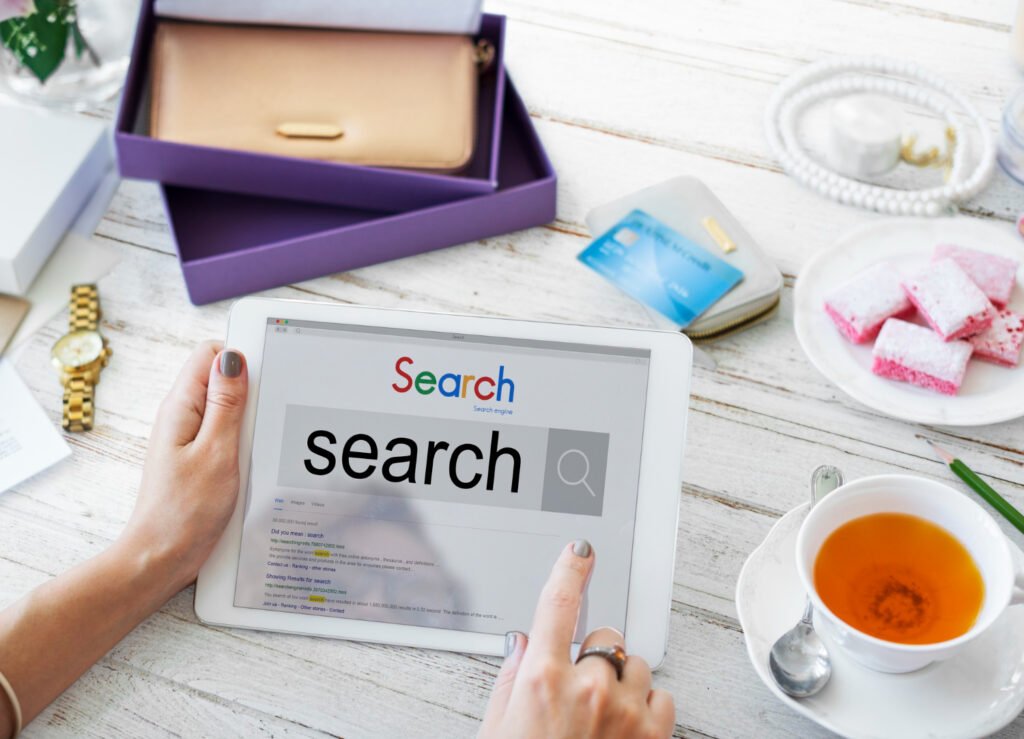
Most organisations debate between organic search (SEO) and paid search (PPC) for driving traffic and generating leads. As is imperative, both strategies are projected to increase search engine visibility on engines like Google, but operate differently and develop distinct purposes. Let us explore their pros and cons and which one is more rewarding for your business target.
What is Organic Search?
Organic search means optimizing your website so that it naturally shows up in the search result pages (SERPs) when users perform a search.
It relies on SEO modalities:
- Keyword research
- Quality content development
- Technical SEO (site speed, mobile optimization)
- Link building
- On-Page Optimization (Meta tags, headers).
Pros of Organic Search
- Cost-Effective Long-Term ROI: Once your website is ranked better, you will be receiving ‘free’ traffic instead of per-click payments.
- Trust and Credibility: Sixty percent of people trust organic results more than they trust paid ads.
- Sustainable Growth: Rankings can give consistent traffic for months or years.
- Higher Clickthrough Rate: The organic results take up 70%-80% of the SERP.
Cons of Organic Search
- Slow Results: It can take 6+ months to see SEO gains.
- Ongoing Effort: Requires constant updates to content, keywords, and technical SEO.
- Algorithm Risks: Google updates can tank rankings overnight.
What is Paid Search?
Paid search (PPC) involves bidding on keywords to display ads at the top of SERPs. You pay only when someone clicks your ad (cost-per-click). Platforms like Google Ads and Microsoft Advertising let you target audiences by location, demographics, and behavior.
Pros of Paid Search
- Instant Visibility: Ads go live immediately, ideal for time-sensitive promotions.
- Granular Targeting: Reach specific audiences (e.g., age, location, device).
- Flexible Budgets: Set daily spending limits and adjust campaigns in real time.
- Measurable Results: Track clicks, conversions, and ROI with precision.
Cons of Paid Search
- Costly Over Time: High competition can inflate CPCs (e.g., $50+ for legal/insurance keywords).
- Traffic Stops When Budget Stops: No long-term value after campaigns end.
- Ad Blindness: Many users ignore paid ads, especially on mobile.
Organic vs. Paid Search: Key Differences
| Factor | Organic Search | Paid Search |
| Cost | Free (after SEO investment) | Pay-per-click |
| Time to Results | 6+ months | Instant |
| Traffic Longevity | Sustainable | Temporary |
| Trust | High | Lower (seen as “promoted”) |
| Control | Limited (algorithm-dependent) | Full control over targeting |
Which is Better for Your Business?
The answer depends on your goals, budget, and timeline:
Choose Organic Search If You…
- Have a limited budget but long-term vision.
- Want to build brand authority and trust.
- Operate in a competitive niche where top rankings matterCan invest time in content creation and SEO.
Best For: Blogs, local businesses, SaaS companies, and e-commerce brands seeking evergreen growth.
Choose Paid Search If You…
- Need immediate results (e.g., product launches, sales).
- Have a flexible budget to test high-intent keywords.
- Want precise targeting for niche audiences.
- Need to complement organic efforts during slow periods.
Best For: E-commerce sales, event promotions, seasonal campaigns, and lead generation.
The Smart Approach: Combine Both
Most businesses benefit from a hybrid strategy:
1. Use paid search to:
– Fill gaps while building organic rankings.
– Target high-value keywords you don’t rank for organically.
2. Use organic search to:
– Secure sustainable traffic and reduce long-term ad spend.
– Build credibility and dominate SERPs for core keywords.
Example: A new e-commerce store could run PPC ads for “buy running shoes” while optimizing organically for “best running shoes for flat feet.”
Final Verdict
Long-term growth and brand authority favor organic search, while fast and precise results are delivered by paid search. For most businesses, the combination of both maximizes reach, ROI, and resilience against market changes. Start with paid search for quick traffic while focusing on SEO for sustainable growth.
Pro Tip: Use competitive analysis tools, e.g., Ahrefs or SEMrush, to discover what gaps your competition has in their organic/paid efforts and close those gaps for a win!