
Understanding the Average Cost of Website Design for Small Businesses

Understanding the Average Cost of Website Design for Small Businesses Understanding the Average Cost of Website Design for Small Businesses In today’s digital age, having a professional website is essential for small businesses looking to establish a strong online presence and attract customers. However, one common concern for small business owners is the cost of website design. While the cost can vary depending on various factors, understanding the average cost of website design for small businesses can help you budget effectively and make informed decisions about your website investment. In this guide, we’ll explore the factors that influence website design costs and provide insights into the average costs you can expect to encounter. Factors Influencing Website Design Costs Before delving into the average costs, it’s essential to understand the factors that can influence website design pricing: 1. Complexity of Design: The complexity of your website design, including its layout, functionality, and customization requirements, can significantly impact the cost. More complex designs with custom features and advanced functionality will generally incur higher costs than simple, templated designs. 2. Number of Pages: The number of pages on your website also affects the cost, as each additional page requires design work and content creation. A larger website with multiple pages will typically cost more to design than a smaller, single-page website. 3. Customization and Branding: Customizing your website design to reflect your brand identity, including colors, fonts, and imagery, may incur additional costs. Likewise, incorporating custom features or functionality tailored to your business’s specific needs can increase the overall cost of website design. 4. Content Creation: The creation of high-quality, engaging content, including copywriting, photography, and multimedia elements, may add to the cost of website design. Depending on your budget and resources, you may choose to create content in-house or hire professionals to assist with content creation. 5. Responsive Design: Ensuring that your website is optimized for mobile devices through responsive design can add to the cost. Responsive design requires additional development work to ensure that your website displays correctly and functions seamlessly across different screen sizes and devices. 6. E-commerce Functionality: If your website includes e-commerce functionality for selling products or services online, this will typically increase the cost of website design. E-commerce websites require additional features such as shopping carts, payment gateways, and product listings, which can add complexity to the design process. 7. SEO Optimization: Incorporating search engine optimization (SEO) best practices into your website design to improve its visibility in search engine results may incur additional costs. SEO optimization involves keyword research, on-page optimization, and technical SEO enhancements to increase your website’s search engine rankings. Average Costs of Website Design for Small Businesses While website design costs can vary widely depending on the factors mentioned above and the expertise of the designer or agency, here are some average cost ranges you can expect to encounter: 1. DIY Website Builders: DIY website builders like Wix, Squarespace, and Weebly offer affordable options for small businesses looking to create a basic website. Costs typically range from $10 to $40 per month, depending on the plan you choose. While DIY website builders are budget-friendly, they may lack customization options and flexibility compared to custom-designed websites. 2. Template-Based Websites: Template-based website design services offer pre-designed templates that can be customized to fit your brand. Costs for template-based websites range from $500 to $5,000, depending on the complexity of the design, number of pages, and customization requirements. Template-based websites are a cost-effective option for small businesses with limited budgets that still want a professional-looking website. 3. Custom Website Design: Custom website design services provide tailored solutions designed to meet your business’s unique needs and requirements. Costs for custom website design typically start at $2,500 and can range up to $20,000 or more, depending on the complexity of the project. Custom-designed websites offer complete flexibility in terms of design, functionality, and branding but come with a higher price tag. 4. Additional Costs: In addition to the initial website design costs, small businesses should budget for ongoing expenses such as domain registration, web hosting, maintenance, and updates. These ongoing costs can vary depending on your hosting provider and the level of support and services included. Tips for Managing Website Design Costs While investing in a professional website is essential for small businesses, there are several ways to manage website design costs effectively: 1. Set a Budget: Determine how much you’re willing to invest in your website design project upfront and stick to your budget. Be realistic about your budget constraints and prioritize essential features and functionality to stay within your budget. 2. Define Your Requirements: Clearly define your website’s requirements and objectives upfront to avoid scope creep and unnecessary expenses. Focus on the features and functionality that are essential for achieving your business goals and be willing to compromise on less critical aspects if necessary. 3. Shop Around: Research multiple website designers or agencies to compare pricing, services, and portfolios. Don’t hesitate to ask for quotes and negotiate pricing to find the best value for your budget. 4. Consider DIY Options: If you have limited funds, consider using a DIY website builder or template-based website design service to create a basic website on your own. While DIY options may have limitations, they can be a cost-effective solution for getting your business online quickly. 5. Invest in Quality: While it’s essential to stick to your budget, don’t compromise on quality when it comes to website design. Investing in a professional, well-designed website can pay off in the long run by attracting more customers and driving business growth. Conclusion The cost of website design for small businesses can vary depending on various factors, including the complexity of the design, customization requirements, and additional features. By understanding the average costs and factors influencing website design pricing, small business owners can budget effectively and make informed decisions about their website investment. Whether you opt for a DIY website builder, template-based design service, or custom website design, investing in a professional website is essential for establishing a strong online presence and attracting customers to your business. With careful planning and budgeting, you can
Simple Steps to Designing a Website for Your Small Business

Simple Steps to Designing a Website for Your Small Business Simple Steps to Designing a Website for Your Small Business In today’s digital age, having a strong online presence is crucial for the success of any small business. A well-designed website can help you attract new customers, showcase your products or services, and establish credibility in your industry. If you’re a small business owner looking to design a website for your venture but aren’t sure where to start, fear not! In this guide, we’ll walk you through simple steps to create a professional-looking website that effectively represents your brand and drives results. Step 1: Define Your Goals and Audience Before diving into the design process, take some time to clarify your goals and identify your target audience. Ask yourself: – What do I want to achieve with my website? (e.g., increase sales, generate leads, provide information) – Who is my target audience, and what are their needs and preferences? – What key messages do I want to convey to my audience? Understanding your goals and audience will help you make informed decisions throughout the design process and create a website that resonates with your target market. Step 2: Choose the Right Platform Next, choose a Website building platform that suits your needs and technical skill level. For small businesses, user-friendly platforms like WordPress, Wix, and Squarespace are excellent choices. These platforms offer intuitive drag-and-drop interfaces, pre-designed templates, and built-in features that make it easy to create and manage your website without any coding knowledge. Step 3: Select a Template Once you’ve chosen a platform, browse through the available templates and select one that aligns with your brand and objectives. Look for templates that are visually appealing, easy to navigate, and customizable to suit your needs. Templates provide a starting point for your website design and can save you time and effort in the customization process. Step 4: Customize Your Design With your template selected, it’s time to customize your website’s design to reflect your brand identity. Add your logo, brand colors, and imagery to create a cohesive and visually appealing look. Customize the layout, fonts, and styling to match your brand aesthetic and create a memorable impression on your visitors. Most website builders offer intuitive customization options that allow you to adjust design elements with ease. Step 5: Create Compelling Content Content is key to engaging visitors and encouraging them to take action on your website. Take the time to create high-quality, relevant content that speaks to your audience’s needs and interests. This may include informative product or service descriptions, engaging blog posts, compelling imagery, and multimedia content such as videos or slideshows. Organize your content in a clear and logical manner to make it easy for visitors to find the information they’re looking for. Step 6: Optimize for Mobile With more and more people accessing the internet on mobile devices, it’s essential to ensure that your website is optimized for mobile viewing. Most website building platforms offer responsive design features that automatically adjust your website layout to fit different screen sizes. However, it’s important to preview your website on mobile devices to ensure that it looks and functions correctly. A mobile-friendly website will provide a seamless browsing experience for your visitors and improve your chances of attracting and retaining customers. Step 7: Test and Launch Before launching your website, thoroughly test it to identify any issues or errors. Check for broken links, typos, and formatting inconsistencies across different browsers and devices. Solicit feedback from friends, family, or colleagues to get fresh perspectives on your website’s design and usability. Once you’re confident that everything is working smoothly, it’s time to launch your website and share it with the world. Step 8: Maintain and Update Regularly Creating a website is just the beginning. To keep your website relevant and engaging, it’s important to maintain and update it regularly. Review your content periodically, update information, and make any necessary adjustments to your design to keep it fresh and up-to-date. Monitor website analytics to track performance metrics such as traffic, engagement, and conversions, and use this data to inform future updates and improvements. Conclusion Website Designing for your small business doesn’t have to be complicated. By following these simple steps and leveraging user-friendly website building platforms, you can create a professional-looking website that effectively showcases your brand and connects with your target audience. Remember to define your goals and audience, choose the right platform, customize your design, create compelling content, optimize for mobile, test thoroughly, and maintain and update regularly. With patience, creativity, and a focus on delivering value to your customers, you can create a website that helps your small business thrive in the digital age.
How to Boost Online Visibility for Your Travel Agency

How to Boost Online Visibility for Your Travel Agency In today’s digital era, establishing a strong online presence is crucial for any travel agency looking to attract and retain customers. With the majority of travelers now turning to the internet to research and book their trips, ensuring your agency stands out online is more important than ever. Here’s how to enhance your travel agency’s online visibility in a competitive market. Table of Content: 1. Build a User-Friendly and Mobile-Optimized Website 2. Leverage Search Engine Optimization (SEO) 3. Create High-Quality, Engaging Content 4. Harness the Power of Social Media 5. Utilize Online Travel Directories and Review Sites 6. Implement Email Marketing Campaigns 7. Invest in Pay-Per-Click (PPC) Advertising 8. Collaborate with Influencers and Partners 9. Monitor Your Online Reputation 10. Analyze and Adjust Your Strategy 1. Build a User-Friendly and Mobile-Optimized Website Your website is the face of your travel agency online. It’s often the first interaction potential customers will have with your business, so it needs to make a great first impression. Here are some key aspects to focus on: Some key aspects to focus on while developing a user-friendly and well optimized Website – Design and Layout: Ensure your website is visually appealing and easy to navigate. Use high-quality images, videos, and a clean, intuitive layout to keep visitors engaged. – Mobile Optimization: With more people browsing on their phones, having a mobile-optimized website is non-negotiable. Make sure your website loads quickly and looks good on all devices. – SEO-Friendly: Structure your website with search engine optimization (SEO) in mind. Use relevant keywords, optimize meta tags, and create a clear site hierarchy to improve your search engine rankings. 2. Search Engine Optimization (SEO) SEO will give your travel agency a first-page appearance on search engines like Google. You need to optimize the following appropriately: Keyword Research: Focus on some of the words your audience searches, such as “best travel agency in [your city]” or “cheapest vacation packages.” You can use tools like Google Keyword Planner to find relevant keywords. – On-page Search Engine Optimization: Organically build these keywords into headings, meta descriptions, alt texts for images, and even URLs of your website. Make sure the content is detailed, yet informative and useful to your audience. – Local SEO: Business name, address, and phone number should be included on every page of the business’s site. Create a listing for the business in Google My Business and other local directories to increase the ranking in the local results. 3. Really Good, Relevant Content Content marketing is a surefire way to boost your website’s traffic and really drive home the message of expertise for your travel agency. Here’s how to generate content that will resonate with your audience: – Travel Blogs: Devise informative and interesting travel blogs about various aspects of travel, more so on travel destinations, travel tips, or changes in the latest trends within the industry. Storytell to attach things at a personal level with your audience. – Visual Content: From high-quality images of beautiful destinations and experiences to really great videos, create video guides or virtual tours that will give potential customers a feel for what they can expect. – User-Generated Content: Get your customers to share their traveling experience with your agency. Share that content on your website and social media pages to express trustworthiness. 4. Harness the Power of Social Media Social media platforms are invaluable for increasing your travel agency’s online visibility. Here’s how to make the most of them: – Choose the Right Platforms: Focus on the social media platforms where your target audience is most active, such as Instagram, Facebook, and Pinterest. Each platform has its own strengths – Instagram is great for visual content, while Facebook is ideal for community building and customer interaction. – Post Regularly: Consistency is key. Post regularly to keep your audience engaged and informed. Share a mix of content, including travel tips, destination highlights, customer testimonials, and promotional offers. – Engage with Your Audience: Social media is a two-way street. Respond to comments, answer questions, and engage with your followers to build a loyal community. Host contests or giveaways to encourage interaction. – Use Paid Advertising: Consider using paid social media ads to reach a larger audience. Platforms like Facebook and Instagram offer targeted advertising options that allow you to reach users based on their interests, location, and behavior. 5. Utilize Online Travel Directories and Review Sites Online travel directories and review sites like TripAdvisor, Yelp, and Google Reviews can significantly boost your visibility and credibility. Here’s how to make the most of these platforms: – Claim Your Listings: Ensure your travel agency is listed on all relevant travel directories and review sites. Complete your profiles with accurate information, high-quality images, and links to your website. – Encourage Positive Reviews: Encourage satisfied customers to leave positive reviews on these platforms. Positive reviews not only improve your visibility but also build trust with potential customers. – Respond to Reviews: Engage with your customers by responding to reviews, both positive and negative. This shows that you value customer feedback and are committed to providing excellent service. 6. Implement Email Marketing Campaigns Email marketing is an effective way to stay connected with your customers and keep them informed about your latest offerings. Here’s how to use email marketing to boost your online visibility: – Build a Subscriber List: Offer something of value, such as a discount or a free travel guide, in exchange for email sign-ups. Make it easy for visitors to subscribe to your newsletter through your website and social media pages. – Segment Your Audience: Divide your email list into segments based on factors like travel preferences, location, or booking history. This allows you to send personalized, relevant content to each group. – Create Compelling Content: Your emails should be engaging and valuable to your subscribers. Share travel tips, destination guides, special offers, and exclusive deals. Use catchy subject lines to increase your open rates. – Analyze and Optimize: Track the performance of your email campaigns by monitoring open rates, click-through rates, and conversions. Use this data to refine your strategy and improve future campaigns. 7. Invest in Pay-Per-Click (PPC) Advertising
in 2026?
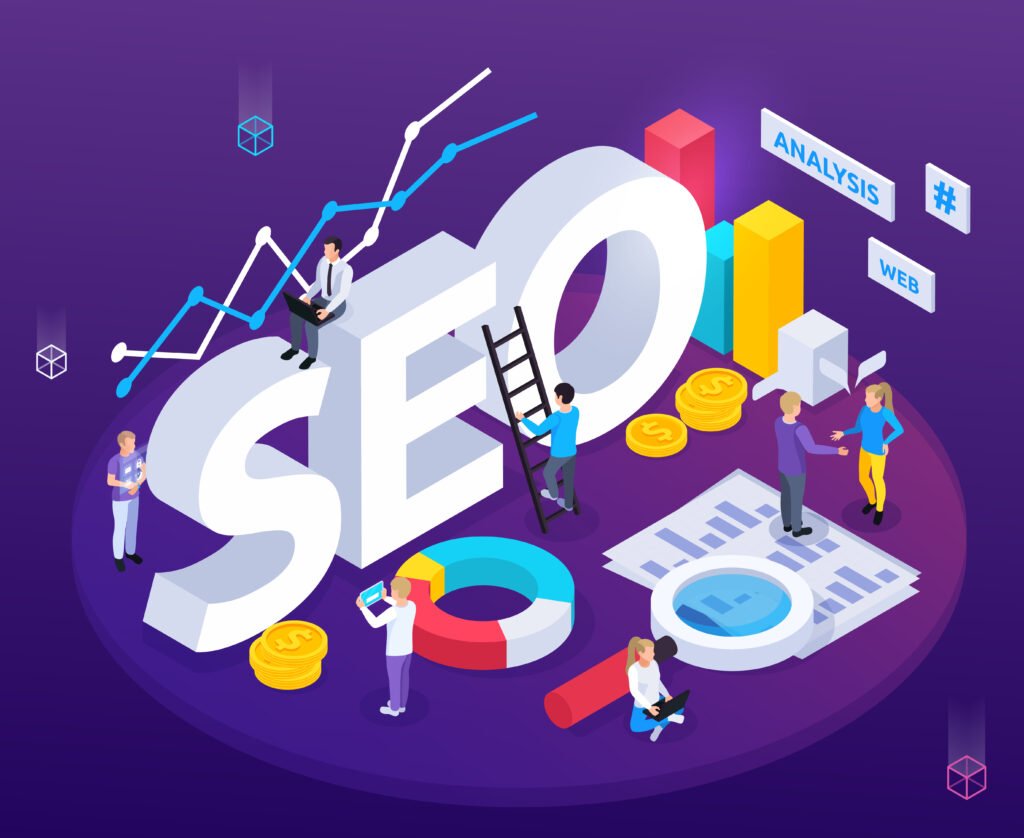
Is SEO Dead in 2026? The question “Is SEO dead in 2025?” may sound dramatic, but it’s one that many businesses and digital marketers are pondering as the digital landscape continues to evolve rapidly. Search Engine Optimization (SEO) has been a cornerstone of digital marketing for over two decades, but with constant changes in technology, search engine algorithms, and user behavior, it’s crucial to evaluate its relevance and effectiveness in today’s context. Table of Content: The Evolution of SEO To determine whether SEO is dead, we first need to understand how it has evolved. SEO began as a straightforward practice focused on optimizing web pages for specific keywords to rank higher in search engine results pages (SERPs). Over the years, however, SEO has transformed significantly due to several key factors: 1. Algorithm Updates: Search engines like Google have continuously updated their algorithms to improve search result quality and user experience. Major updates like Google Panda, Penguin, Hummingbird, and BERT have shifted SEO from a keyword-focused approach to a more holistic one that considers content quality, user intent, and website authority. 2. User Experience (UX): Modern SEO is no longer just about keywords. It encompasses aspects of user experience, including site speed, mobile-friendliness, and user engagement. Google and other search engines prioritize websites that offer a superior user experience, which has become integral to effective SEO strategies. 3. Content Quality: Quality content has become a central pillar of SEO. Search engines increasingly prioritize content that provides real value to users, answers their queries comprehensively, and engages them. This shift has led to the rise of content marketing as a crucial component of SEO. 4. Voice Search and AI: The advent of voice search and artificial intelligence has introduced new dimensions to SEO. Search queries are becoming more conversational, and optimizing for voice search requires a different approach than traditional text-based SEO. AI technologies, like Google’s RankBrain, have also changed how search engines interpret and rank content. Is SEO Still Relevant? Despite these changes, SEO is far from dead. In fact, it remains a vital component of digital marketing for several reasons: 1. Continued Search Engine Usage: Search engines are still the primary tool users employ to find information, products, and services online. Google, Bing, and other search engines handle billions of queries daily, and businesses that want to be visible to potential customers must invest in SEO to compete effectively. 2. Search Engine Algorithms: While search engine algorithms have become more sophisticated, they still rely on core SEO principles. High-quality content, relevant keywords, and authoritative backlinks continue to play significant roles in ranking well. Understanding and adapting to these algorithms is crucial for maintaining a strong online presence. 3. Local SEO Importance: For local businesses, SEO is especially critical. Local SEO helps businesses appear in local search results, Google Maps, and other location-based queries. This localized approach drives traffic to physical stores and boosts local brand awareness. 4. Competitive Advantage: In a crowded digital marketplace, effective SEO can provide a significant competitive edge. Businesses that invest in SEO are better positioned to capture organic traffic, build brand credibility, and generate leads without relying solely on paid advertising. The Future of SEO While SEO is certainly not dead, it is evolving. The future of SEO in 2025 and beyond will likely be shaped by several emerging trends: 1. AI and Machine Learning: AI and machine learning will continue to influence SEO strategies. Search engines will become better at understanding user intent and context, making it essential for businesses to focus on creating content that addresses users’ needs comprehensively. AI-driven tools will also enhance SEO analytics, helping marketers refine their strategies with greater precision. 2. Voice and Visual Search: As voice search and visual search technologies become more prevalent, optimizing for these formats will become increasingly important. Businesses will need to adapt their SEO strategies to accommodate natural language processing and image recognition, ensuring their content is accessible and relevant in these new search paradigms. 3. Mobile-First Indexing: With the majority of searches now occurring on mobile devices, Google has adopted a mobile-first indexing approach. This means that the mobile version of a website is prioritized in search rankings. Ensuring a seamless mobile experience will be crucial for maintaining and improving search visibility. 4. E-A-T (Expertise, Authority, Trustworthiness): Google’s emphasis on E-A-T will continue to shape SEO practices. Websites that demonstrate expertise, authority, and trustworthiness in their content will be favored in search results. This means that businesses must focus on building their authority in their respective niches and providing high-quality, credible information. 5. User-Centric SEO: SEO strategies will increasingly prioritize user experience. This includes optimizing for page load speeds0, ensuring easy navigation, and delivering content that is engaging and relevant. The goal will be to create a positive experience for users while meeting search engine criteria. Conclusion In summary, SEO is not dead in 2025. Instead, it has evolved and continues to be a fundamental aspect of digital marketing. As search engines and user behaviors change, SEO practices must adapt to stay relevant. By focusing on high-quality content, user experience, and emerging technologies, businesses can leverage SEO to enhance their online visibility, attract targeted traffic, and achieve their digital marketing goals. So, while the landscape of SEO is undoubtedly different from its early days, it remains an indispensable tool for any business looking to thrive in the digital age. Embracing these changes and staying informed about the latest trends will ensure that your SEO efforts remain effective and aligned with the evolving online environment.
10 Reasons Why You Should Invest in SEO for Your Business
10 Reasons Why You Should Invest in SEO for Your Business In today’s digital landscape, search engine optimization (SEO) is a critical component of a successful online strategy. SEO enhances your website’s visibility on search engines like Google, making it easier for potential customers to find you. If you’re considering whether to invest in SEO for your business, here are ten compelling reasons to make it a priority: Table of Content: 1. Increases Organic Traffic 2. Builds Credibility and Trust 3. Provides a Better User Experience 4. Offers Cost-Effective Marketing 5. Enhances Local Search Visibility 6. Generates Long-Term Results 7. Increases Brand Awareness 8. Provides Valuable Insights Through Analytics 9. Gives You a Competitive Edge 10. Supports Other Marketing Efforts 1. Increases Organic Traffic One of the most significant benefits of SEO is its ability to drive organic traffic to your website. Unlike paid advertising, which stops generating traffic as soon as you stop funding it, SEO focuses on improving your website’s visibility in search engine results pages (SERPs) for relevant keywords. By optimizing your site for search engines, you can attract a steady stream of potential customers who are actively searching for products or services like yours. Example: If you run a local bakery and optimize for keywords like “best bakery in [City]”, you’re more likely to appear in local search results, drawing in customers who are specifically looking for bakeries in your area. 2. Builds Credibility and Trust Websites that rank higher in search results are often perceived as more credible and trustworthy by users. Search engines like Google use complex algorithms to determine which websites should rank highest for particular queries, and higher rankings are often associated with higher trustworthiness. Example: When your business appears at the top of search results for relevant keywords, potential customers are more likely to view your business as a reputable authority in your field. 3. Provides a Better User Experience SEO involves optimizing various elements of your website, including its structure, navigation, and content. These improvements lead to a better user experience by making your site easier to navigate, faster to load, and more relevant to users’ needs. A well-optimized site not only attracts visitors but also keeps them engaged. Example: An SEO-optimized website with intuitive navigation and fast load times will reduce bounce rates and increase the likelihood of visitors staying longer and engaging with your content. 4. Offers Cost-Effective Marketing Compared to traditional advertising methods and even many forms of digital marketing, SEO provides a cost-effective way to reach your target audience. While SEO requires an investment of time and resources, the long-term benefits and sustainable traffic generation often outweigh the initial costs. Example: Investing in SEO can yield a high return on investment (ROI) compared to paid search ads, which require ongoing funding to maintain visibility. 5. Enhances Local Search Visibility For businesses that rely on local customers, such as restaurants, retail stores, or service providers, local SEO is essential. Optimizing your website for local search terms and maintaining an updated Google My Business profile can help you attract local customers who are searching for businesses in their area. Example: A local plumber can benefit from appearing in local search results and Google Maps when potential customers search for “plumber near me” or “best plumber in [City].” 6. Generates Long-Term Results While SEO is a continuous process that requires ongoing effort, it can generate long-term results. Once your website achieves higher rankings, it can maintain its position with regular updates and optimizations. This contrasts with paid advertising, where traffic stops immediately once you cease funding. Example: High rankings for key search terms can continue to drive organic traffic long after the initial optimization work is completed, providing a sustainable source of leads and customers. 7. Increases Brand Awareness Being visible in search results increases brand awareness. When your business appears at the top of search results for relevant keywords, users are more likely to become familiar with your brand. Increased visibility can lead to higher recognition and recall, even if users do not immediately click through to your site. Example: Consistent visibility in search results helps users associate your brand with specific products or services, increasing the likelihood they will remember and choose your business in the future. 8. Provides Valuable Insights Through Analytics SEO efforts are measurable and can provide valuable insights into user behavior and website performance. Tools like Google Analytics allow you to track traffic sources, user engagement, and conversion rates. These insights help you understand what’s working and what needs improvement. Example: Analyzing keyword performance and user behavior can help you refine your content strategy, identify new opportunities, and optimize your website for better results. 9. Gives You a Competitive Edge Investing in SEO can give you a competitive advantage in your industry. By optimizing your website and content, you can outrank competitors who may not be as focused on SEO. This improved visibility can attract more potential customers and establish your business as a leader in your field. Example: If your competitors are not investing in SEO, you can capture a larger share of search traffic and establish your business as the go-to choice for users searching for related products or services. 10. Supports Other Marketing Efforts SEO complements and supports other digital marketing strategies, such as content marketing, social media, and email marketing. Quality content optimized for search engines can drive organic traffic and enhance the effectiveness of your overall marketing efforts. Example: Blog posts optimized for SEO can attract organic traffic and provide valuable content for social media sharing and email campaigns, creating a synergistic effect that amplifies your marketing reach. Conclusion Investing in SEO offers numerous benefits that can significantly impact your business’s success. From increasing organic traffic and building credibility to providing a better user experience and supporting other marketing efforts, SEO is a crucial element of a modern digital strategy. By focusing on SEO, you can enhance your online visibility, attract more potential customers, and achieve long-term growth. In the competitive digital landscape of 2024, SEO is not just an
10 Essential Questions Small Businesses Should Ask SEO Experts

10 Essential Questions Small Businesses Should Ask SEO Experts Investing in search engine optimization (SEO) can be a game-changer for small businesses looking to increase their online visibility, attract more customers, and drive growth. However, navigating the SEO landscape can be complex, and finding the right SEO expert or agency is crucial to achieving your goals. Before committing to an SEO partnership, it’s essential to ask the right questions to ensure that the expert you choose is well-suited to your needs and can deliver results. Here are some essential questions small businesses should ask SEO experts: 1. What is Your SEO Strategy? Understanding the SEO expert’s approach to SEO is fundamental. Ask about their strategy for improving your website’s search engine rankings. A reputable SEO expert should be able to outline a clear plan that includes keyword research, on-page optimization, content creation, and link building. Why It Matters: Knowing their strategy helps you assess whether their approach aligns with your business goals and industry standards. It also ensures they are not using outdated or black-hat techniques that could harm your site’s reputation. 2. How Do You Stay Updated with SEO Trends and Algorithm Changes? SEO is an ever-evolving field, with search engine algorithms frequently updated. Ask the expert how they keep up with these changes and ensure their strategies remain effective and compliant with current best practices. Why It Matters: Staying updated with the latest trends and algorithm changes is crucial for maintaining your website’s search rankings. An SEO expert who is proactive about continuing education and industry news is more likely to implement effective and up-to-date strategies. 3. Can You Provide Case Studies or References? Request examples of past successes or case studies from the SEO expert’s previous clients. This can include metrics like improved search rankings, increased traffic, or enhanced conversion rates. Additionally, ask for references to speak with past or current clients about their experiences. Why It Matters: Case studies and references provide insight into the expert’s track record and ability to deliver results. They also offer a glimpse into their work ethic, communication style, and effectiveness. 4. What SEO Tools and Techniques Do You Use? Inquire about the tools and techniques the SEO expert uses for keyword research, site audits, analytics, and competitor analysis. Popular SEO tools include Google Analytics, SEMrush, Ahrefs, and Moz. Why It Matters: Understanding the tools and techniques used helps you gauge the expert’s technical proficiency and the comprehensiveness of their approach. It also allows you to verify that they are using industry-standard tools for accurate and effective SEO practices. 5. How Do You Measure SEO Success? Ask the SEO expert how they measure and report on the success of their SEO efforts. Metrics to consider include keyword rankings, organic traffic, bounce rates, conversion rates, and ROI. Clarify how often you will receive reports and updates on progress. Why It Matters: Clear metrics and reporting ensure that you can track the effectiveness of the SEO strategy and understand the return on your investment. Regular updates help you stay informed about the progress and any necessary adjustments. 6. What Are Your Pricing and Contract Terms? Discuss the pricing structure, payment terms, and contract length with the SEO expert. SEO services can vary widely in cost, so it’s important to understand what is included in the pricing and whether there are any additional fees or costs. Why It Matters: Transparent pricing and clear contract terms help you manage your budget and avoid unexpected expenses. It also ensures that you understand what services are included and the commitment required. 7. How Do You Handle On-Page and Off-Page SEO? SEO encompasses both on-page (elements within your website, such as content and meta tags) and off-page (external factors, such as backlinks and social signals) strategies. Ask the expert how they approach both aspects of SEO and their methods for improving each. Why It Matters: A comprehensive SEO strategy involves both on-page and off-page optimization. Understanding how the expert addresses each area ensures a holistic approach to improving your website’s visibility and rankings. 8. What Will Be Your Role in Content Creation? Content is a crucial component of SEO. Discuss the SEO expert’s role in content creation and optimization, including their involvement in keyword research, content recommendations, and ensuring content aligns with SEO best practices. Why It Matters: Quality content is essential for SEO success. Clarifying the expert’s role in content creation ensures that your website’s content is optimized for both search engines and user engagement. 9. How Do You Approach Local SEO? For small businesses targeting a local audience, local SEO is crucial. Ask the expert how they will optimize your website for local search, including optimizing your Google My Business profile, local citations, and localized content. Why It Matters: Local SEO helps attract customers in your geographic area. Understanding the expert’s approach to local SEO ensures that your business is visible to potential local customers and can compete effectively in your local market. 10. What Are Your Expectations for Collaboration and Communication? Effective collaboration and communication are key to a successful SEO partnership. Discuss the expert’s expectations for your involvement, including providing necessary information, approving changes, and participating in strategy sessions. Why It Matters: Clear expectations for collaboration and communication help ensure a smooth working relationship. It also ensures that both parties are aligned in terms of goals, responsibilities, and project timelines. Conclusion Choosing the right SEO expert is a critical decision that can significantly impact your business’s online success. By asking these essential questions, you can evaluate potential SEO partners, understand their approach, and ensure they align with your business goals. A knowledgeable and experienced SEO expert will provide a clear strategy, stay updated with industry trends, and deliver measurable results, helping you achieve improved search rankings, increased traffic, and overall business growth. Investing time in selecting the right SEO expert will pay off in the long run, leading to a stronger online presence and greater success in the digital marketplace.
10 Lesser-Known Facts That Can Benefit Business Owners

10 Lesser-Known Facts That Can Benefit Business Owners In today’s competitive business world, success often comes down to more than just following conventional wisdom. While core principles like quality service and effective marketing are essential, many business owners overlook lesser-known insights that can significantly boost their operations. From enhancing customer retention to leveraging automation, these hidden gems can provide practical benefits that impact your bottom line, efficiency, and growth. Here are 10 surprising facts that every business owner should know to unlock new opportunities and stay ahead in an evolving marketplace. 1. SEO Takes Time, But It’s Worth It SEO is important for any business; it helps businesses to stand online in front of potential customers when they are searching for them. SEO is a long-term process; it will not show results in one day. The owner needs to understand that it takes months to create significant results. Having the right SEO strategy generates high traffic on the website and creates many opportunities like higher visibility, organic leads, reduced CPC in advertisements, showing business on relevant queries, & more. 2. Email Marketing Has a High ROI Email is the third most influential source of information for B2B audiences, in the age of social media where everyone is using social media but it cannot defeat the email marketing. Email marketing has higher CTR compare to other platform; it may vary on different niche. 86% business professional are prefer to use email for business communication. And according to research Tuesday is the best day for sending email. 3. Cash Flow is Key to Survival Cash flow is key to survive; you can survive for a year without any profile. But without cash flows your business can’t be survive the month. So it’s important to manage the cash flow for business, You should have a budget and stick to it. Keep track of all your expenses and income. Monitor your cash flow regularly to identify any potential problems. 4. Customer Retention is Cheaper than Acquisition Acquiring new customers is typically five times more expensive than retaining existing ones. Focusing on customer loyalty through exceptional service can yield long-term business benefits. Companies should focus on creating positive customer experiences to ensure customer retention. This can be done through proactive communication, timely responses, and personalized interactions. 5. Employees Prefer Transparent Leadership Employee loyalty and engagement can be increased by being transparent about company goals, changes, and challenges. Knowing what’s happening makes employees feel valued and more likely to contribute positively. This can also create a sense of team spirit and collaboration. Additionally, it can create an environment of trust and open communication. 6. Social Responsibility Attracts Customers In today’s marketplace, consumers are increasingly drawn to brands that demonstrate social responsibility. This shift reflects a broader societal trend where individuals seek to align their purchases with their values. 7. Networking and Partnerships are Crucial For businesses, building networks is important with different sectors; it helps them to grow their reach with other business owners, having collaborations, events, new customer leads, and more. Networking can also help to build relationships between businesses, which can lead to more referrals and partnerships. Networking can also lead to increased brand awareness, which can help to increase sales and profitability. 8. Automation Can Save Time and Money With the automation you can easily complete the repetitive task, such as invoicing, customer management, Lead follow ups, clients update, workflow tracking, & more. Many businesses are moving towards the automation because its time saving, improve the productivity and errors free. 9. Small Changes Have a Big Impact on Conversion Rates Small tweaks, like adjusting the color of a call-to-action button or changing website copy, can significantly impact your conversion rate. Testing different elements (A/B testing) can reveal what works best. A/B testing is an effective way to find out what works best for your website. It’s a simple and cost-effective way to get insights into your website’s performance and optimize your conversion rate. 10. Feedback Loops Are Goldmines Regularly asking for feedback from customers and employees provides insights that can help improve products, services, and internal processes. Honest feedback often points out areas for growth that you may have overlooked. Conclusion Running a business successfully isn’t just about following well-known advice; it’s also about uncovering the smaller, impactful strategies that often go overlooked. These lesser-known facts—from focusing on cash flow and customer retention to leveraging automation and social responsibility—can provide business owners with practical insights that yield lasting results. By applying even a few of these approaches, business owners can strengthen their foundations, build stronger customer relationships, and ultimately foster long-term growth. Embracing these strategies not only sets you apart from competitors but also equips you to adapt and thrive in today’s dynamic business landscape.
Digital Marketing for Dental Clinics for Best Strategies.

Digital Marketing for Dental Clinics for Best Strategies. In the modern-day realm of digitality, dental practices must so resort to the online marketplace to attract new patients, retain old ones, and amplify further the community’s faith in them. You can make your dental practice more visible with digital marketing while establishing your reputation as a reliable provider of dental care. This guide sets out a full range of strategies for emerging successful digital marketing campaigns for dental clinics. Effective Digital Marketing Strategies for Dental Clinics 1. Build a User-Friendly Website2. Leverage Local SEO3. Social Media Marketing4. Content Marketing5. Pay-Per-Click (PPC) Advertising6. Email Marketing7. Online Reputation Management8. Video Marketing9. WhatsApp Marketing10. Influencer Marketing11. Run Seasonal Campaigns12. Track and Optimize 1. Build a User-Friendly Website A website is the foundation of your online presence. It should be well-designed, informative, and easy to navigate. Key Features of a Dental Clinic Website: – About Us Page: Share your clinic’s story, team profiles, and credentials. – Services Offered: Clearly list services like teeth cleaning, orthodontics, cosmetic dentistry, and more. – Online Booking System: Allow patients to schedule appointments directly through your website. – Contact Information: Include your clinic’s address, phone number, email, and operating hours. – Testimonials Section: Showcase positive patient reviews and before-and-after photos (with permission). SEO for Your Website: – Use keywords like “best dentist in [city]” or “affordable dental care near me” in your website content. – Optimize meta titles, descriptions, and image alt texts for search engines. – Create a blog with topics such as “Top 10 Tips for Healthy Teeth” or “Benefits of Regular Dental Checkups.” 2. Leverage Local SEO Local SEO is crucial for dental clinics as it helps you attract patients within your geographic area. Steps to Boost Local SEO: – Google My Business (GMB): Create and optimize your GMB profile with accurate clinic details, photos, and reviews. – Location Keywords: Use phrases like “dentist in [neighborhood/city]” across your content. – Online Directories: List your clinic on platforms like Practo, Justdial, and Zocdoc. – Encourage Reviews: Ask satisfied patients to leave reviews on Google and other platforms. 3. Social Media Marketing Social media platforms are excellent for engaging with your audience and showcasing your expertise. Strategies for Social Media: – Platform Selection: Focus on platforms like Instagram, Facebook, and YouTube. – Content Ideas: Post dental care tips and tricks. – Share patient testimonials and success stories. – Use short videos or reels to explain procedures like teeth whitening or cavity filling. – Engagement: Respond to comments and messages promptly to build trust. – Hashtags: Use relevant hashtags like HealthySmile, DentalCare, or SmileWithConfidence. 4. Content Marketing Content marketing helps educate your audience, showcase your expertise, and drive traffic to your website. Content Ideas for a Dental Clinic: – Blogs: Write articles on topics like “How to Prevent Cavities” or “When Should You Visit a Dentist?” – Videos: Create videos demonstrating proper brushing techniques or explaining dental procedures. – Infographics: Share visually appealing infographics on oral hygiene tips. – E-books: Offer free downloadable guides like “The Ultimate Guide to Braces” in exchange for email sign-ups. 5. Pay-Per-Click (PPC) Advertising PPC ads, especially on Google and Facebook, can help you reach your target audience quickly. Effective PPC Strategies: – Search Ads: Use keywords like “emergency dentist near me” for Google Ads. – Display Ads: Design visually appealing ads for Google’s Display Network to increase brand awareness. – Retargeting: Show ads to users who visited your website but didn’t book an appointment. – Budget Optimization: Focus on high-intent keywords to maximize ROI. 6. Email Marketing Email marketing is an excellent way to nurture relationships with existing patients and attract new ones. Ideas for Email Campaigns: – Appointment Reminders: Send automated reminders for upcoming visits. – Newsletters: Share clinic updates, dental tips, and promotions. – Special Offers: Inform patients about discounts on teeth whitening or free consultations. – Seasonal Campaigns: Run campaigns during festive seasons like “Get a Sparkling Smile for the Holidays.” 7. Online Reputation Management A strong online reputation can significantly influence a patient’s decision to choose your clinic. Tips for Reputation Management: – Monitor Reviews: Regularly check reviews on platforms like Google, Facebook, and Practo. – Respond to Feedback: Thank patients for positive reviews and address negative ones professionally. – Encourage Feedback: Request reviews from satisfied patients through email or SMS. 8. Video Marketing Video content is highly engaging and can effectively communicate your expertise to potential patients. Ideas for Dental Clinic Videos: – Patient Testimonials: Share videos of happy patients (with consent). – Educational Videos: Explain common dental procedures in simple terms. – Behind-the-Scenes: Show glimpses of your clinic, team, and state-of-the-art equipment. 9. WhatsApp Marketing WhatsApp is a powerful tool for direct communication with patients. How to Use WhatsApp for Marketing: – Appointment Reminders: Send reminders via WhatsApp for upcoming visits. – Promotional Messages: Share discounts or seasonal offers. – FAQs: Use WhatsApp to answer common patient queries quickly. 10. Influencer Marketing Collaborate with local influencers or micro-influencers to promote your clinic. How to Work with Influencers: – Partner with health or lifestyle influencers in your city. – Offer them free dental services in exchange for social media promotions. – Ask them to share their experience at your clinic through posts, stories, or videos. 11. Run Seasonal Campaigns Festive seasons or special events are great opportunities to attract more patients. Seasonal Campaign Ideas: – “Valentine’s Day Special: Get a Perfect Smile for Your Date.” – “Back-to-School Checkup: Special Discounts for Kids.” – “Wedding Season Whitening: Shine Bright on Your Big Day.” 12. Track and Optimize Regularly analyze the performance of your marketing strategies to identify what works best. Tools to Use: – Google Analytics: Monitor website traffic and user behavior. – Facebook Insights: Track engagement metrics for your posts. – Email Marketing Software: Analyze open rates and click-through rates. Conclusion By implementing these digital marketing strategies, your dental clinic can attract more patients, build lasting relationships, and establish itself as a trusted name in the industry. Remember, consistency and patient-centric communication are key to success in digital marketing. Start small, track your progress, and scale up your efforts as you gain insights into what works best for your clinic. If you’re ready to take your dental practice to the next level,
10 Common Problems in Website Design and Their Solutions in

10 Common Problems in Website Design and Their Solutions in Website design is an ever-changing field, still with persistent common problems related to changing user expectations, technology, and design paradigms. Here is a general overview of key issues in website design today, along with practical solutions. 10 Common Problems in Websites 1. Poor Mobile Responsiveness2. Slow Loading Speeds3. Cluttered or Confusing Navigation4. Lack of Accessibility5. Inconsistent Branding6. Ineffective Call-to-Actions (CTAs)7. Security Concerns8. Outdated Content9. Lack of Scalability10. Ineffective Visual Hierarchy 1. Poor Mobile Responsiveness 2. Slow Loading Speeds 3. Cluttered or Confusing Navigation 4. Lack of Accessibility 5. Inconsistent Branding 6. Ineffective Call-to-Actions (CTAs) 7. Security Concerns 8. Outdated Content 9. Lack of Scalability 10. Ineffective Visual Hierarchy Conclusion By addressing these issues through proactive planning and modern tools, businesses can ensure their websites remain user-friendly, accessible, and effective in meeting both user expectations and organizational goals. For ongoing improvements, continuous testing and updates are essential.
Why Choose Us for Website Design?

For Website Design In today’s digital landscape, a professionally designed website is more than just a virtual storefront; it’s a powerful tool for establishing brand identity, engaging your audience, and driving business growth. Choosing the right partner for website design can make or break your online presence. Here’s why our website design services stand out: Why Choose us for website Design. 1. Expertise and Diverse Skills 2. Customized Solutions 3. SEO Optimization 4. Comprehensive Service 5. User-Centric Design 6. Scalability and Future-Readiness 7. Security and Reliability 8. Brand Consistency 9. Dedicated Support 10. Competitive Edge 1. Expertise and Diverse Skills We unite a team of talented designers, developers, and digital strategists who excel at their work. Rather than the conventional freelancer setting, we believe in using collaborative strategies where every aspect of your website is developed with precision and creativity. Our team stays abreast of the latest developments, whether regarding responsive designs or accessibility standards, to guarantee you an attractive, functional, and modern website. 2. Customized Solutions Every business is unique, and so should their website. We customize websites based on your brand’s vision and business objectives. Be it a simple portfolio, an extensive e-commerce site, or a content-rich blog, we design for your identity and the needs of your audience. 3. SEO Optimization A well-designed website can never see the light of day just because of its extravagant design. Our designs incorporate the best SEO practices of including optimized loading speeds, structured data, and keyword integration to ensure that your site receives high ranking in search engines and otherwise organic traffic. 4. Comprehensive Service We are a complete service web design company and can assist you from the first conversation to deployment and maintenance. This includes content strategy, UX/UI design, development, and performance optimization so that your website becomes an all-encompassing solution. 5. User-Centric Design Users’ experience is prior, with intuitive and easy navigation for their websites. Clean, comprehensible layouts across different user types, responsive sites, and fast page loads will keep the visitors engaged and reduce the bounce rate. 6. Scalability and Future-Readiness As your business grows, your website should too. We design scalable websites that can adapt to evolving business needs, integrating features like e-commerce tools, CRM systems, and analytics. 7. Security and Reliability We implement the latest security measures, protecting your website from cyber threats. Regular updates and maintenance ensure that your site remains functional, secure, and compatible with new technologies. 8. Brand Consistency Your website is a digital extension of your brand. We ensure that every design element aligns with your branding, from color schemes to typography, ensuring consistency across all digital touchpoints. 9. Dedicated Support Our relationship doesn’t end after launch. We provide ongoing support to address any issues, implement updates, and improve your site’s performance based on analytics and feedback. 10. Competitive Edge A professionally designed website positions you ahead of competitors with outdated or poorly designed sites. It demonstrates your commitment to quality and helps build trust with your audience. Conclusion By choosing us, you’re not just hiring a web design company in Delhi; you’re partnering with a team dedicated to helping your business thrive in the digital age. Let us transform your vision into an impactful online presence.