How to Choose the Right Social Media Platforms for Your Business

How to Choose the Right Social Media Platforms for Your Business Social media is becoming a crucial tool for businesses to interact with their target market, increase brand recognition, and boost sales in the digital age. However, with the multitude of social media platforms available, choosing the right ones for your business can be a daunting task. In this guide, we will explore a step-by-step process to help you identify the most suitable social media platforms for your business objectives, target audience, and content strategy. The Right Social Media Platforms for Your Business Step 1: Define Your Business Objectives The first and most crucial step in selecting the right social media platforms is to define your business objectives. Are you aiming to increase brand awareness, drive website traffic, generate leads, or boost online sales? Understanding your primary goals will guide your decision-making process and help you focus on platforms that align with your business’s needs. Step 2: Identify Your Target Audience Knowing your target audience is essential for effective social media marketing. Determine the demographics, interests, behaviors, and preferences of your potential customers. This data will help you choose platforms that have a substantial user base matching your target audience, ensuring your efforts reach the right people. Step 3: Research Social Media Platforms Once you’ve established your business objectives and target audience, research the various social media platforms available. Every platform has distinct features, audience characteristics, and content types. The major social media platforms include: Step 4: Analyze Competitors Analyze your competitors’ social media presence to gain insights into their strategies and the platforms they are using. This research will give you a better understanding of what works within your industry and help you identify any untapped opportunities. Step 5: Evaluate Platform Suitability Consider the nature of your products or services and the content you plan to create. Some platforms are more suitable for specific content types. For instance, visually appealing products are likely to perform better on Instagram or Pinterest, while informative videos may find a more receptive audience on YouTube or LinkedIn. Step 6: Assess Engagement and Analytics Look into the engagement metrics and analytics of each platform to understand how well your content performs. Metrics like reach, impressions, clicks, likes, shares, and comments can provide valuable insights into your content’s effectiveness and audience response. Step 7: Set Realistic Budget and Resources Social media marketing requires both time and financial investment. Assess your available resources, including budget, team size, and expertise, to determine how many platforms you can effectively manage and the quality of content you can produce consistently. Step 8: Start Small and Scale It’s better to start with a few well-chosen platforms and gradually scale your efforts as you gain experience and see results. Avoid spreading yourself too thin by trying to maintain a presence on every platform. Step 9: Stay Updated Platforms for social media are continually changing and adding new features. Stay informed about the latest trends and changes to ensure your strategies remain effective and aligned with your audience’s preferences. Conclusion Selecting the right social media platforms for your business is a critical decision that can significantly impact your marketing success. By defining your objectives, knowing your target audience, researching platforms, and analyzing competitor strategies, you can make informed choices. Remember to evaluate platform suitability based on your content type and set realistic budgets and resources. Ultimately, starting small, measuring performance, and staying updated will help you make the most of social media marketing and achieve your business goals.
Using Artificial Intelligence (AI) in Digital Marketing Campaigns

Using Artificial Intelligence (AI) in Digital Marketing Campaigns In the rapidly evolving digital landscape, businesses are constantly seeking innovative ways to enhance their marketing efforts and achieve better results. One such innovation that has gained significant traction is the integration of Artificial Intelligence (AI) in digital marketing campaigns. AI technology has the power to revolutionize the way businesses approach marketing by providing valuable insights, automating processes, and delivering personalized experiences at scale. In this article, we will explore the various applications of AI in digital marketing campaigns and the benefits it brings to businesses. Data Analysis and Insights AI plays a crucial role in helping marketers make sense of the vast amount of data generated through digital channels. With AI-powered analytics tools, businesses can gain deeper insights into consumer behavior, preferences, and trends. AI algorithms can analyze complex data sets, identify patterns, and generate actionable recommendations to optimize marketing strategies. This data-driven approach enables marketers to make informed decisions and tailor their campaigns for maximum impact. Personalization at Scale One of the key challenges in digital marketing is delivering personalized experiences to a large audience. AI addresses this challenge by enabling businesses to create highly targeted and personalized campaigns at scale. AI algorithms can analyze user data, such as browsing behavior, purchase history, and demographic information, to segment audiences and deliver customized content and recommendations. Personalization enhances user engagement, increases conversion rates, and fosters stronger customer relationships. Chatbots and Customer Service AI-powered chatbots have revolutionized customer service by providing instant and personalized support 24/7. Chatbots can engage with customers in real-time, answer frequently asked questions, provide product recommendations, and even process transactions. By leveraging natural language processing and machine learning, chatbots continuously improve their responses and become more adept at understanding customer inquiries. In addition to improving customer happiness, this frees up human resources for harder jobs. Content Creation and Curation AI has the ability to generate and curate content, saving marketers valuable time and resources. For instance, AI algorithms can generate written content, such as blog posts or social media captions, based on predefined parameters and data inputs. As a result, the process of creating material is streamlined and consistently high-quality. AI can also curate content by analyzing user preferences and recommending relevant articles, videos, or products, thereby enhancing user engagement and driving conversions. Predictive Analytics and Lead Scoring AI-powered predictive analytics enables marketers to forecast future trends and outcomes based on historical data. By analyzing patterns and correlations, AI algorithms can predict customer behavior, identify potential leads, and optimize marketing campaigns accordingly. Additionally, AI can automate lead scoring, assigning a value to each lead based on their likelihood to convert. This helps businesses prioritize leads and allocate resources effectively for improved conversion rates and revenue generation. Programmatic Advertising Programmatic advertising, powered by AI, is transforming the way ads are bought and displayed. AI algorithms can analyze user behavior and real-time data to deliver highly targeted and personalized ads across multiple channels. Programmatic advertising optimizes ad placements, bidding strategies, and audience targeting, resulting in more efficient campaigns and improved return on ad spend (ROAS). AI-powered algorithms can continuously learn and adapt, ensuring that ad campaigns remain effective and relevant in a dynamic advertising landscape. Social Media Management AI can streamline and enhance social media management by automating tasks such as scheduling posts, analyzing engagement metrics, and monitoring brand mentions. AI-powered social media management tools can analyze user sentiment, identify trends, and provide actionable insights for social media strategies. Additionally, AI can optimize ad targeting on social media platforms, ensuring that the right content reaches the right audience at the right time. Customer Segmentation and Retention AI enables businesses to segment their customer base more effectively and identify opportunities for customer retention. By analyzing customer data, AI algorithms can identify behavioral patterns, preferences, and potential churn indicators. This enables businesses to proactively engage with customers, deliver personalized offers, and implement retention strategies to maximize customer lifetime value. AI-driven customer segmentation and retention initiatives result in higher customer satisfaction, increased loyalty, and improved business growth. Conclusion The integration of Artificial Intelligence (AI) in digital marketing campaigns has transformed the way businesses engage with their target audience. AI-powered tools and algorithms provide valuable insights, enable personalization at scale, automate processes, and optimize marketing strategies. From data analysis and insights to content creation, chatbots, programmatic advertising, and customer retention, AI has a broad range of applications in digital marketing. By harnessing the power of AI, businesses can gain a competitive edge, improve customer experiences, and achieve better marketing results in the ever-evolving digital landscape. Embracing AI in digital marketing campaigns is not just a trend but a strategic imperative for businesses seeking growth and success in today’s digital age. If you want to improve your brand reach so join us and take your business to new level, We are Jaimru Technology – a Digital marking company in Delhi
How to Boost Online Visibility for Your Travel Agency

How to Boost Online Visibility for Your Travel Agency In today’s digital era, establishing a strong online presence is crucial for any travel agency looking to attract and retain customers. With the majority of travelers now turning to the internet to research and book their trips, ensuring your agency stands out online is more important than ever. Here’s how to enhance your travel agency’s online visibility in a competitive market. Table of Content: 1. Build a User-Friendly and Mobile-Optimized Website 2. Leverage Search Engine Optimization (SEO) 3. Create High-Quality, Engaging Content 4. Harness the Power of Social Media 5. Utilize Online Travel Directories and Review Sites 6. Implement Email Marketing Campaigns 7. Invest in Pay-Per-Click (PPC) Advertising 8. Collaborate with Influencers and Partners 9. Monitor Your Online Reputation 10. Analyze and Adjust Your Strategy 1. Build a User-Friendly and Mobile-Optimized Website Your website is the face of your travel agency online. It’s often the first interaction potential customers will have with your business, so it needs to make a great first impression. Here are some key aspects to focus on: Some key aspects to focus on while developing a user-friendly and well optimized Website – Design and Layout: Ensure your website is visually appealing and easy to navigate. Use high-quality images, videos, and a clean, intuitive layout to keep visitors engaged. – Mobile Optimization: With more people browsing on their phones, having a mobile-optimized website is non-negotiable. Make sure your website loads quickly and looks good on all devices. – SEO-Friendly: Structure your website with search engine optimization (SEO) in mind. Use relevant keywords, optimize meta tags, and create a clear site hierarchy to improve your search engine rankings. 2. Search Engine Optimization (SEO) SEO will give your travel agency a first-page appearance on search engines like Google. You need to optimize the following appropriately: Keyword Research: Focus on some of the words your audience searches, such as “best travel agency in [your city]” or “cheapest vacation packages.” You can use tools like Google Keyword Planner to find relevant keywords. – On-page Search Engine Optimization: Organically build these keywords into headings, meta descriptions, alt texts for images, and even URLs of your website. Make sure the content is detailed, yet informative and useful to your audience. – Local SEO: Business name, address, and phone number should be included on every page of the business’s site. Create a listing for the business in Google My Business and other local directories to increase the ranking in the local results. 3. Really Good, Relevant Content Content marketing is a surefire way to boost your website’s traffic and really drive home the message of expertise for your travel agency. Here’s how to generate content that will resonate with your audience: – Travel Blogs: Devise informative and interesting travel blogs about various aspects of travel, more so on travel destinations, travel tips, or changes in the latest trends within the industry. Storytell to attach things at a personal level with your audience. – Visual Content: From high-quality images of beautiful destinations and experiences to really great videos, create video guides or virtual tours that will give potential customers a feel for what they can expect. – User-Generated Content: Get your customers to share their traveling experience with your agency. Share that content on your website and social media pages to express trustworthiness. 4. Harness the Power of Social Media Social media platforms are invaluable for increasing your travel agency’s online visibility. Here’s how to make the most of them: – Choose the Right Platforms: Focus on the social media platforms where your target audience is most active, such as Instagram, Facebook, and Pinterest. Each platform has its own strengths – Instagram is great for visual content, while Facebook is ideal for community building and customer interaction. – Post Regularly: Consistency is key. Post regularly to keep your audience engaged and informed. Share a mix of content, including travel tips, destination highlights, customer testimonials, and promotional offers. – Engage with Your Audience: Social media is a two-way street. Respond to comments, answer questions, and engage with your followers to build a loyal community. Host contests or giveaways to encourage interaction. – Use Paid Advertising: Consider using paid social media ads to reach a larger audience. Platforms like Facebook and Instagram offer targeted advertising options that allow you to reach users based on their interests, location, and behavior. 5. Utilize Online Travel Directories and Review Sites Online travel directories and review sites like TripAdvisor, Yelp, and Google Reviews can significantly boost your visibility and credibility. Here’s how to make the most of these platforms: – Claim Your Listings: Ensure your travel agency is listed on all relevant travel directories and review sites. Complete your profiles with accurate information, high-quality images, and links to your website. – Encourage Positive Reviews: Encourage satisfied customers to leave positive reviews on these platforms. Positive reviews not only improve your visibility but also build trust with potential customers. – Respond to Reviews: Engage with your customers by responding to reviews, both positive and negative. This shows that you value customer feedback and are committed to providing excellent service. 6. Implement Email Marketing Campaigns Email marketing is an effective way to stay connected with your customers and keep them informed about your latest offerings. Here’s how to use email marketing to boost your online visibility: – Build a Subscriber List: Offer something of value, such as a discount or a free travel guide, in exchange for email sign-ups. Make it easy for visitors to subscribe to your newsletter through your website and social media pages. – Segment Your Audience: Divide your email list into segments based on factors like travel preferences, location, or booking history. This allows you to send personalized, relevant content to each group. – Create Compelling Content: Your emails should be engaging and valuable to your subscribers. Share travel tips, destination guides, special offers, and exclusive deals. Use catchy subject lines to increase your open rates. – Analyze and Optimize: Track the performance of your email campaigns by monitoring open rates, click-through rates, and conversions. Use this data to refine your strategy and improve future campaigns. 7. Invest in Pay-Per-Click (PPC) Advertising
in 2026?
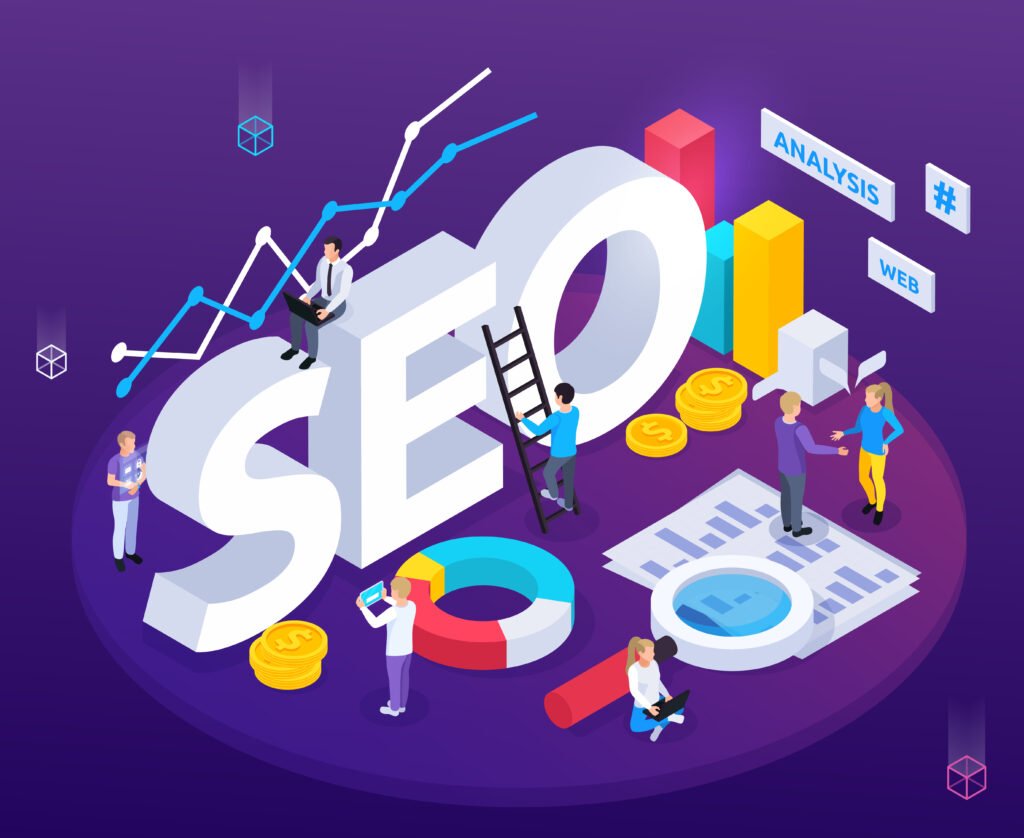
Is SEO Dead in 2026? The question “Is SEO dead in 2025?” may sound dramatic, but it’s one that many businesses and digital marketers are pondering as the digital landscape continues to evolve rapidly. Search Engine Optimization (SEO) has been a cornerstone of digital marketing for over two decades, but with constant changes in technology, search engine algorithms, and user behavior, it’s crucial to evaluate its relevance and effectiveness in today’s context. Table of Content: The Evolution of SEO To determine whether SEO is dead, we first need to understand how it has evolved. SEO began as a straightforward practice focused on optimizing web pages for specific keywords to rank higher in search engine results pages (SERPs). Over the years, however, SEO has transformed significantly due to several key factors: 1. Algorithm Updates: Search engines like Google have continuously updated their algorithms to improve search result quality and user experience. Major updates like Google Panda, Penguin, Hummingbird, and BERT have shifted SEO from a keyword-focused approach to a more holistic one that considers content quality, user intent, and website authority. 2. User Experience (UX): Modern SEO is no longer just about keywords. It encompasses aspects of user experience, including site speed, mobile-friendliness, and user engagement. Google and other search engines prioritize websites that offer a superior user experience, which has become integral to effective SEO strategies. 3. Content Quality: Quality content has become a central pillar of SEO. Search engines increasingly prioritize content that provides real value to users, answers their queries comprehensively, and engages them. This shift has led to the rise of content marketing as a crucial component of SEO. 4. Voice Search and AI: The advent of voice search and artificial intelligence has introduced new dimensions to SEO. Search queries are becoming more conversational, and optimizing for voice search requires a different approach than traditional text-based SEO. AI technologies, like Google’s RankBrain, have also changed how search engines interpret and rank content. Is SEO Still Relevant? Despite these changes, SEO is far from dead. In fact, it remains a vital component of digital marketing for several reasons: 1. Continued Search Engine Usage: Search engines are still the primary tool users employ to find information, products, and services online. Google, Bing, and other search engines handle billions of queries daily, and businesses that want to be visible to potential customers must invest in SEO to compete effectively. 2. Search Engine Algorithms: While search engine algorithms have become more sophisticated, they still rely on core SEO principles. High-quality content, relevant keywords, and authoritative backlinks continue to play significant roles in ranking well. Understanding and adapting to these algorithms is crucial for maintaining a strong online presence. 3. Local SEO Importance: For local businesses, SEO is especially critical. Local SEO helps businesses appear in local search results, Google Maps, and other location-based queries. This localized approach drives traffic to physical stores and boosts local brand awareness. 4. Competitive Advantage: In a crowded digital marketplace, effective SEO can provide a significant competitive edge. Businesses that invest in SEO are better positioned to capture organic traffic, build brand credibility, and generate leads without relying solely on paid advertising. The Future of SEO While SEO is certainly not dead, it is evolving. The future of SEO in 2025 and beyond will likely be shaped by several emerging trends: 1. AI and Machine Learning: AI and machine learning will continue to influence SEO strategies. Search engines will become better at understanding user intent and context, making it essential for businesses to focus on creating content that addresses users’ needs comprehensively. AI-driven tools will also enhance SEO analytics, helping marketers refine their strategies with greater precision. 2. Voice and Visual Search: As voice search and visual search technologies become more prevalent, optimizing for these formats will become increasingly important. Businesses will need to adapt their SEO strategies to accommodate natural language processing and image recognition, ensuring their content is accessible and relevant in these new search paradigms. 3. Mobile-First Indexing: With the majority of searches now occurring on mobile devices, Google has adopted a mobile-first indexing approach. This means that the mobile version of a website is prioritized in search rankings. Ensuring a seamless mobile experience will be crucial for maintaining and improving search visibility. 4. E-A-T (Expertise, Authority, Trustworthiness): Google’s emphasis on E-A-T will continue to shape SEO practices. Websites that demonstrate expertise, authority, and trustworthiness in their content will be favored in search results. This means that businesses must focus on building their authority in their respective niches and providing high-quality, credible information. 5. User-Centric SEO: SEO strategies will increasingly prioritize user experience. This includes optimizing for page load speeds0, ensuring easy navigation, and delivering content that is engaging and relevant. The goal will be to create a positive experience for users while meeting search engine criteria. Conclusion In summary, SEO is not dead in 2025. Instead, it has evolved and continues to be a fundamental aspect of digital marketing. As search engines and user behaviors change, SEO practices must adapt to stay relevant. By focusing on high-quality content, user experience, and emerging technologies, businesses can leverage SEO to enhance their online visibility, attract targeted traffic, and achieve their digital marketing goals. So, while the landscape of SEO is undoubtedly different from its early days, it remains an indispensable tool for any business looking to thrive in the digital age. Embracing these changes and staying informed about the latest trends will ensure that your SEO efforts remain effective and aligned with the evolving online environment.
10 Reasons Why You Should Invest in SEO for Your Business
10 Reasons Why You Should Invest in SEO for Your Business In today’s digital landscape, search engine optimization (SEO) is a critical component of a successful online strategy. SEO enhances your website’s visibility on search engines like Google, making it easier for potential customers to find you. If you’re considering whether to invest in SEO for your business, here are ten compelling reasons to make it a priority: Table of Content: 1. Increases Organic Traffic 2. Builds Credibility and Trust 3. Provides a Better User Experience 4. Offers Cost-Effective Marketing 5. Enhances Local Search Visibility 6. Generates Long-Term Results 7. Increases Brand Awareness 8. Provides Valuable Insights Through Analytics 9. Gives You a Competitive Edge 10. Supports Other Marketing Efforts 1. Increases Organic Traffic One of the most significant benefits of SEO is its ability to drive organic traffic to your website. Unlike paid advertising, which stops generating traffic as soon as you stop funding it, SEO focuses on improving your website’s visibility in search engine results pages (SERPs) for relevant keywords. By optimizing your site for search engines, you can attract a steady stream of potential customers who are actively searching for products or services like yours. Example: If you run a local bakery and optimize for keywords like “best bakery in [City]”, you’re more likely to appear in local search results, drawing in customers who are specifically looking for bakeries in your area. 2. Builds Credibility and Trust Websites that rank higher in search results are often perceived as more credible and trustworthy by users. Search engines like Google use complex algorithms to determine which websites should rank highest for particular queries, and higher rankings are often associated with higher trustworthiness. Example: When your business appears at the top of search results for relevant keywords, potential customers are more likely to view your business as a reputable authority in your field. 3. Provides a Better User Experience SEO involves optimizing various elements of your website, including its structure, navigation, and content. These improvements lead to a better user experience by making your site easier to navigate, faster to load, and more relevant to users’ needs. A well-optimized site not only attracts visitors but also keeps them engaged. Example: An SEO-optimized website with intuitive navigation and fast load times will reduce bounce rates and increase the likelihood of visitors staying longer and engaging with your content. 4. Offers Cost-Effective Marketing Compared to traditional advertising methods and even many forms of digital marketing, SEO provides a cost-effective way to reach your target audience. While SEO requires an investment of time and resources, the long-term benefits and sustainable traffic generation often outweigh the initial costs. Example: Investing in SEO can yield a high return on investment (ROI) compared to paid search ads, which require ongoing funding to maintain visibility. 5. Enhances Local Search Visibility For businesses that rely on local customers, such as restaurants, retail stores, or service providers, local SEO is essential. Optimizing your website for local search terms and maintaining an updated Google My Business profile can help you attract local customers who are searching for businesses in their area. Example: A local plumber can benefit from appearing in local search results and Google Maps when potential customers search for “plumber near me” or “best plumber in [City].” 6. Generates Long-Term Results While SEO is a continuous process that requires ongoing effort, it can generate long-term results. Once your website achieves higher rankings, it can maintain its position with regular updates and optimizations. This contrasts with paid advertising, where traffic stops immediately once you cease funding. Example: High rankings for key search terms can continue to drive organic traffic long after the initial optimization work is completed, providing a sustainable source of leads and customers. 7. Increases Brand Awareness Being visible in search results increases brand awareness. When your business appears at the top of search results for relevant keywords, users are more likely to become familiar with your brand. Increased visibility can lead to higher recognition and recall, even if users do not immediately click through to your site. Example: Consistent visibility in search results helps users associate your brand with specific products or services, increasing the likelihood they will remember and choose your business in the future. 8. Provides Valuable Insights Through Analytics SEO efforts are measurable and can provide valuable insights into user behavior and website performance. Tools like Google Analytics allow you to track traffic sources, user engagement, and conversion rates. These insights help you understand what’s working and what needs improvement. Example: Analyzing keyword performance and user behavior can help you refine your content strategy, identify new opportunities, and optimize your website for better results. 9. Gives You a Competitive Edge Investing in SEO can give you a competitive advantage in your industry. By optimizing your website and content, you can outrank competitors who may not be as focused on SEO. This improved visibility can attract more potential customers and establish your business as a leader in your field. Example: If your competitors are not investing in SEO, you can capture a larger share of search traffic and establish your business as the go-to choice for users searching for related products or services. 10. Supports Other Marketing Efforts SEO complements and supports other digital marketing strategies, such as content marketing, social media, and email marketing. Quality content optimized for search engines can drive organic traffic and enhance the effectiveness of your overall marketing efforts. Example: Blog posts optimized for SEO can attract organic traffic and provide valuable content for social media sharing and email campaigns, creating a synergistic effect that amplifies your marketing reach. Conclusion Investing in SEO offers numerous benefits that can significantly impact your business’s success. From increasing organic traffic and building credibility to providing a better user experience and supporting other marketing efforts, SEO is a crucial element of a modern digital strategy. By focusing on SEO, you can enhance your online visibility, attract more potential customers, and achieve long-term growth. In the competitive digital landscape of 2024, SEO is not just an
10 Essential Questions Small Businesses Should Ask SEO Experts

10 Essential Questions Small Businesses Should Ask SEO Experts Investing in search engine optimization (SEO) can be a game-changer for small businesses looking to increase their online visibility, attract more customers, and drive growth. However, navigating the SEO landscape can be complex, and finding the right SEO expert or agency is crucial to achieving your goals. Before committing to an SEO partnership, it’s essential to ask the right questions to ensure that the expert you choose is well-suited to your needs and can deliver results. Here are some essential questions small businesses should ask SEO experts: 1. What is Your SEO Strategy? Understanding the SEO expert’s approach to SEO is fundamental. Ask about their strategy for improving your website’s search engine rankings. A reputable SEO expert should be able to outline a clear plan that includes keyword research, on-page optimization, content creation, and link building. Why It Matters: Knowing their strategy helps you assess whether their approach aligns with your business goals and industry standards. It also ensures they are not using outdated or black-hat techniques that could harm your site’s reputation. 2. How Do You Stay Updated with SEO Trends and Algorithm Changes? SEO is an ever-evolving field, with search engine algorithms frequently updated. Ask the expert how they keep up with these changes and ensure their strategies remain effective and compliant with current best practices. Why It Matters: Staying updated with the latest trends and algorithm changes is crucial for maintaining your website’s search rankings. An SEO expert who is proactive about continuing education and industry news is more likely to implement effective and up-to-date strategies. 3. Can You Provide Case Studies or References? Request examples of past successes or case studies from the SEO expert’s previous clients. This can include metrics like improved search rankings, increased traffic, or enhanced conversion rates. Additionally, ask for references to speak with past or current clients about their experiences. Why It Matters: Case studies and references provide insight into the expert’s track record and ability to deliver results. They also offer a glimpse into their work ethic, communication style, and effectiveness. 4. What SEO Tools and Techniques Do You Use? Inquire about the tools and techniques the SEO expert uses for keyword research, site audits, analytics, and competitor analysis. Popular SEO tools include Google Analytics, SEMrush, Ahrefs, and Moz. Why It Matters: Understanding the tools and techniques used helps you gauge the expert’s technical proficiency and the comprehensiveness of their approach. It also allows you to verify that they are using industry-standard tools for accurate and effective SEO practices. 5. How Do You Measure SEO Success? Ask the SEO expert how they measure and report on the success of their SEO efforts. Metrics to consider include keyword rankings, organic traffic, bounce rates, conversion rates, and ROI. Clarify how often you will receive reports and updates on progress. Why It Matters: Clear metrics and reporting ensure that you can track the effectiveness of the SEO strategy and understand the return on your investment. Regular updates help you stay informed about the progress and any necessary adjustments. 6. What Are Your Pricing and Contract Terms? Discuss the pricing structure, payment terms, and contract length with the SEO expert. SEO services can vary widely in cost, so it’s important to understand what is included in the pricing and whether there are any additional fees or costs. Why It Matters: Transparent pricing and clear contract terms help you manage your budget and avoid unexpected expenses. It also ensures that you understand what services are included and the commitment required. 7. How Do You Handle On-Page and Off-Page SEO? SEO encompasses both on-page (elements within your website, such as content and meta tags) and off-page (external factors, such as backlinks and social signals) strategies. Ask the expert how they approach both aspects of SEO and their methods for improving each. Why It Matters: A comprehensive SEO strategy involves both on-page and off-page optimization. Understanding how the expert addresses each area ensures a holistic approach to improving your website’s visibility and rankings. 8. What Will Be Your Role in Content Creation? Content is a crucial component of SEO. Discuss the SEO expert’s role in content creation and optimization, including their involvement in keyword research, content recommendations, and ensuring content aligns with SEO best practices. Why It Matters: Quality content is essential for SEO success. Clarifying the expert’s role in content creation ensures that your website’s content is optimized for both search engines and user engagement. 9. How Do You Approach Local SEO? For small businesses targeting a local audience, local SEO is crucial. Ask the expert how they will optimize your website for local search, including optimizing your Google My Business profile, local citations, and localized content. Why It Matters: Local SEO helps attract customers in your geographic area. Understanding the expert’s approach to local SEO ensures that your business is visible to potential local customers and can compete effectively in your local market. 10. What Are Your Expectations for Collaboration and Communication? Effective collaboration and communication are key to a successful SEO partnership. Discuss the expert’s expectations for your involvement, including providing necessary information, approving changes, and participating in strategy sessions. Why It Matters: Clear expectations for collaboration and communication help ensure a smooth working relationship. It also ensures that both parties are aligned in terms of goals, responsibilities, and project timelines. Conclusion Choosing the right SEO expert is a critical decision that can significantly impact your business’s online success. By asking these essential questions, you can evaluate potential SEO partners, understand their approach, and ensure they align with your business goals. A knowledgeable and experienced SEO expert will provide a clear strategy, stay updated with industry trends, and deliver measurable results, helping you achieve improved search rankings, increased traffic, and overall business growth. Investing time in selecting the right SEO expert will pay off in the long run, leading to a stronger online presence and greater success in the digital marketplace.
Digital Marketing for Dental Clinics for Best Strategies.

Digital Marketing for Dental Clinics for Best Strategies. In the modern-day realm of digitality, dental practices must so resort to the online marketplace to attract new patients, retain old ones, and amplify further the community’s faith in them. You can make your dental practice more visible with digital marketing while establishing your reputation as a reliable provider of dental care. This guide sets out a full range of strategies for emerging successful digital marketing campaigns for dental clinics. Effective Digital Marketing Strategies for Dental Clinics 1. Build a User-Friendly Website2. Leverage Local SEO3. Social Media Marketing4. Content Marketing5. Pay-Per-Click (PPC) Advertising6. Email Marketing7. Online Reputation Management8. Video Marketing9. WhatsApp Marketing10. Influencer Marketing11. Run Seasonal Campaigns12. Track and Optimize 1. Build a User-Friendly Website A website is the foundation of your online presence. It should be well-designed, informative, and easy to navigate. Key Features of a Dental Clinic Website: – About Us Page: Share your clinic’s story, team profiles, and credentials. – Services Offered: Clearly list services like teeth cleaning, orthodontics, cosmetic dentistry, and more. – Online Booking System: Allow patients to schedule appointments directly through your website. – Contact Information: Include your clinic’s address, phone number, email, and operating hours. – Testimonials Section: Showcase positive patient reviews and before-and-after photos (with permission). SEO for Your Website: – Use keywords like “best dentist in [city]” or “affordable dental care near me” in your website content. – Optimize meta titles, descriptions, and image alt texts for search engines. – Create a blog with topics such as “Top 10 Tips for Healthy Teeth” or “Benefits of Regular Dental Checkups.” 2. Leverage Local SEO Local SEO is crucial for dental clinics as it helps you attract patients within your geographic area. Steps to Boost Local SEO: – Google My Business (GMB): Create and optimize your GMB profile with accurate clinic details, photos, and reviews. – Location Keywords: Use phrases like “dentist in [neighborhood/city]” across your content. – Online Directories: List your clinic on platforms like Practo, Justdial, and Zocdoc. – Encourage Reviews: Ask satisfied patients to leave reviews on Google and other platforms. 3. Social Media Marketing Social media platforms are excellent for engaging with your audience and showcasing your expertise. Strategies for Social Media: – Platform Selection: Focus on platforms like Instagram, Facebook, and YouTube. – Content Ideas: Post dental care tips and tricks. – Share patient testimonials and success stories. – Use short videos or reels to explain procedures like teeth whitening or cavity filling. – Engagement: Respond to comments and messages promptly to build trust. – Hashtags: Use relevant hashtags like HealthySmile, DentalCare, or SmileWithConfidence. 4. Content Marketing Content marketing helps educate your audience, showcase your expertise, and drive traffic to your website. Content Ideas for a Dental Clinic: – Blogs: Write articles on topics like “How to Prevent Cavities” or “When Should You Visit a Dentist?” – Videos: Create videos demonstrating proper brushing techniques or explaining dental procedures. – Infographics: Share visually appealing infographics on oral hygiene tips. – E-books: Offer free downloadable guides like “The Ultimate Guide to Braces” in exchange for email sign-ups. 5. Pay-Per-Click (PPC) Advertising PPC ads, especially on Google and Facebook, can help you reach your target audience quickly. Effective PPC Strategies: – Search Ads: Use keywords like “emergency dentist near me” for Google Ads. – Display Ads: Design visually appealing ads for Google’s Display Network to increase brand awareness. – Retargeting: Show ads to users who visited your website but didn’t book an appointment. – Budget Optimization: Focus on high-intent keywords to maximize ROI. 6. Email Marketing Email marketing is an excellent way to nurture relationships with existing patients and attract new ones. Ideas for Email Campaigns: – Appointment Reminders: Send automated reminders for upcoming visits. – Newsletters: Share clinic updates, dental tips, and promotions. – Special Offers: Inform patients about discounts on teeth whitening or free consultations. – Seasonal Campaigns: Run campaigns during festive seasons like “Get a Sparkling Smile for the Holidays.” 7. Online Reputation Management A strong online reputation can significantly influence a patient’s decision to choose your clinic. Tips for Reputation Management: – Monitor Reviews: Regularly check reviews on platforms like Google, Facebook, and Practo. – Respond to Feedback: Thank patients for positive reviews and address negative ones professionally. – Encourage Feedback: Request reviews from satisfied patients through email or SMS. 8. Video Marketing Video content is highly engaging and can effectively communicate your expertise to potential patients. Ideas for Dental Clinic Videos: – Patient Testimonials: Share videos of happy patients (with consent). – Educational Videos: Explain common dental procedures in simple terms. – Behind-the-Scenes: Show glimpses of your clinic, team, and state-of-the-art equipment. 9. WhatsApp Marketing WhatsApp is a powerful tool for direct communication with patients. How to Use WhatsApp for Marketing: – Appointment Reminders: Send reminders via WhatsApp for upcoming visits. – Promotional Messages: Share discounts or seasonal offers. – FAQs: Use WhatsApp to answer common patient queries quickly. 10. Influencer Marketing Collaborate with local influencers or micro-influencers to promote your clinic. How to Work with Influencers: – Partner with health or lifestyle influencers in your city. – Offer them free dental services in exchange for social media promotions. – Ask them to share their experience at your clinic through posts, stories, or videos. 11. Run Seasonal Campaigns Festive seasons or special events are great opportunities to attract more patients. Seasonal Campaign Ideas: – “Valentine’s Day Special: Get a Perfect Smile for Your Date.” – “Back-to-School Checkup: Special Discounts for Kids.” – “Wedding Season Whitening: Shine Bright on Your Big Day.” 12. Track and Optimize Regularly analyze the performance of your marketing strategies to identify what works best. Tools to Use: – Google Analytics: Monitor website traffic and user behavior. – Facebook Insights: Track engagement metrics for your posts. – Email Marketing Software: Analyze open rates and click-through rates. Conclusion By implementing these digital marketing strategies, your dental clinic can attract more patients, build lasting relationships, and establish itself as a trusted name in the industry. Remember, consistency and patient-centric communication are key to success in digital marketing. Start small, track your progress, and scale up your efforts as you gain insights into what works best for your clinic. If you’re ready to take your dental practice to the next level,
Top 10 Digital Marketing Companies in Delhi

Top 10 Digital Marketing Companies in Delhi The rise of digital marketing has transformed the way businesses connect with their audience. Delhi, being the hub of commerce and innovation, is home to some of the best digital marketing companies that provide exceptional services to help brands grow. Here’s a list of the Top 10 Digital Marketing Companies in Delhi that are redefining success in the digital age. 1. Jaimru Technology Private Limited Overview: Jaimru Technology Private Limited is a results-driven digital marketing company in Delhi offering a comprehensive range of services, including SEO, social media marketing, PPC, and website development. The company is known for delivering customized solutions tailored to the unique needs of each business. Key Highlights: – Expertise in website designing and mobile app development. – ROI-focused strategies for maximum impact. – Dedicated team of digital marketing professionals. Why Choose Jaimru Technology? – Customer-centric approach and measurable results. – Focus on innovation and cutting-edge technologies. 2. WebFX India Overview: WebFX India is a leading digital marketing agency in Delhi that specializes in data-driven campaigns. They are known for delivering measurable results and creating impactful marketing strategies for small and medium-sized businesses. Key Services: – SEO and PPC. – Content marketing and conversion rate optimization. Notable Feature: Affordable packages for startups and SMEs. 3. TechMagnate Overview: TechMagnate is a full-service digital marketing company focusing on enterprise-level SEO and content marketing. They have a track record of delivering award-winning campaigns for top brands. Key Highlights: – Specialized in enterprise SEO. – Proven success in content marketing strategies. 4. PageTraffic Overview: Established in 2002, PageTraffic is one of the oldest and most trusted digital marketing companies in Delhi. They offer end-to-end marketing solutions to help businesses achieve sustainable growth. Key Services: – SEO, local SEO, and e-commerce marketing. – PPC campaign management. Why Choose PageTraffic? – Affordable pricing without compromising quality. 5. DigiMark Agency Overview: DigiMark Agency is known for its creative content and innovative social media marketing campaigns. They have worked extensively with lifestyle and fashion brands. Key Highlights: – Specializes in influencer marketing. – Strong portfolio of creative campaigns. 6. AdLift Overview: AdLift is a performance-driven digital marketing agency specializing in paid media and influencer marketing. Their unique approach combines creativity and data analytics to maximize ROI. Key Services: – Performance marketing and paid media. – Influencer collaborations. Why Choose AdLift? – Expertise in delivering high-converting campaigns. 7. Social Beat Overview: Social Beat is a top-rated agency in Delhi, focusing on video-first marketing strategies. They have helped businesses in healthcare, real estate, and e-commerce grow exponentially. Key Highlights: – Strong focus on storytelling and creative video content. – Expertise in scaling e-commerce brands. 8. WATConsult Overview: WATConsult is an award-winning digital marketing company offering full-stack digital transformation services. They are known for their innovation and creative solutions. Key Services: – Content marketing, SEO, and PPC. – Digital transformation consulting. Notable Feature: Works extensively with large enterprises. 9. DigitalVidya Overview: DigitalVidya is a blend of digital marketing services and training. They have been instrumental in upskilling corporate teams and helping businesses scale through effective campaigns. Key Services: – SEO and social media marketing. – Digital marketing training programs. Why Choose DigitalVidya? – Unique combination of services and training expertise. 10. ORM Expert Overview: ORM Expert specializes in online reputation management, helping businesses and individuals maintain a positive image online. Their dedicated team ensures timely monitoring and resolution of reputation-related issues. Key Highlights: – Focused exclusively on ORM. – Works with startups, corporates, and individuals. How to Choose the Right Digital Marketing Company? – Experience and Expertise: Look for agencies with a proven track record in your industry. – Customized Solutions: Ensure they provide strategies tailored to your business needs. – Budget-Friendly: Choose a company that delivers value for money without compromising on quality. – Client Portfolio: Review their past projects and success stories. Conclusion Delhi’s digital marketing landscape is thriving, and these top 10 companies are leading the charge. Whether you’re a startup or an established business, partnering with the right digital marketing agency in Delhi can take your brand to new heights. Evaluate your business needs, explore these options, and start your digital transformation journey today!
How Small Businesses Can Set Up a Google My Business Profile

How Small Businesses Can Set Up a Google My Business Profile Here’s a detailed article on how small businesses can set up a Google My Business (GMB) profile and how it benefits them. I’ll provide image ideas alongside the text for easy implementation. How Small Businesses Can Set Up a Google My Business Profile Create Your Google Business Profile Explore Other Topics
How Many Main Pillars of Digital Marketing Are There 2026
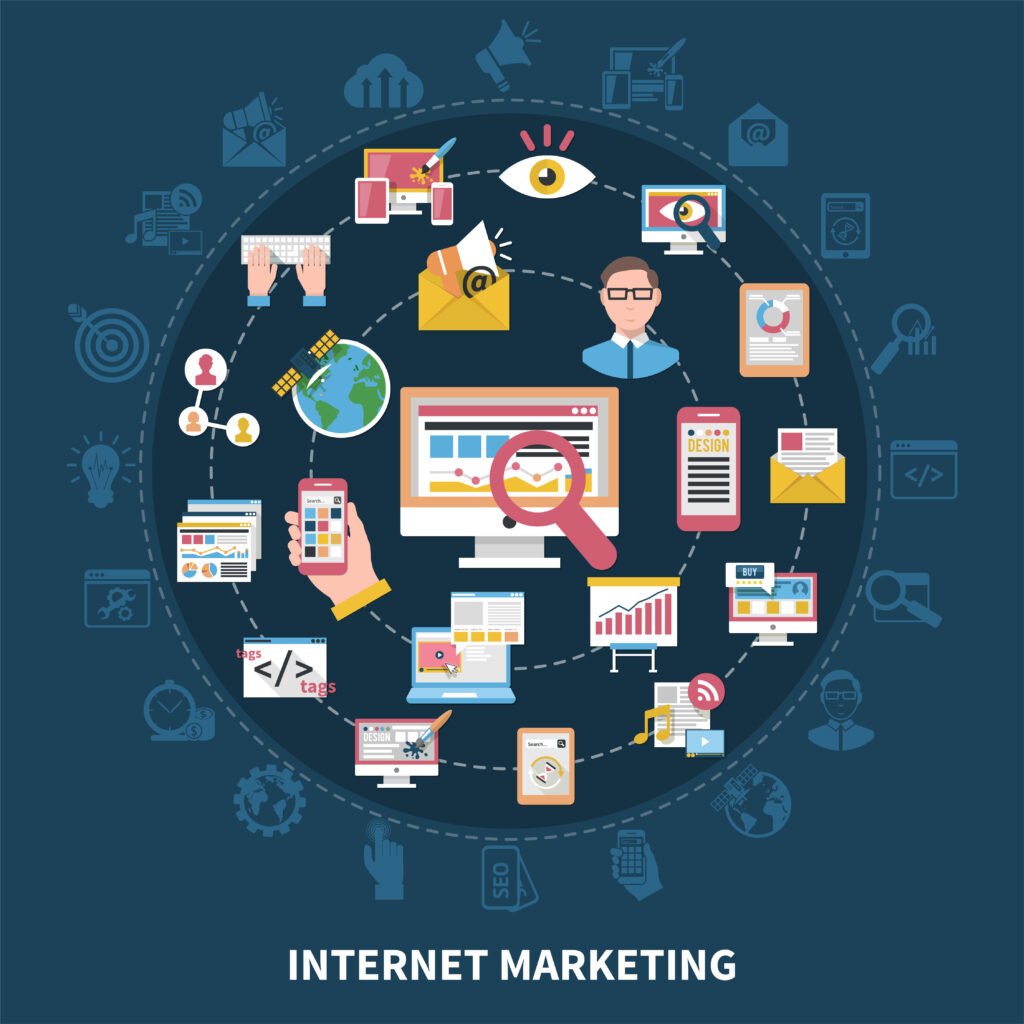
How Many Main Pillars of Digital Marketing Are There 2026 Digital marketing is a constantly evolving process, and in their effort to be competitive, companies must continually educate themselves on the latest strategies. As we step into 2025, digital marketing is built on seven key pillars which propel online success. Such pillars enable businesses to capture, engage, and convert their target audiences effectively. Search Engine Optimization (SEO) Search engine optimization is the very basis of marketing, enhancing the visibility of businesses in Google rankings as well as driving organic traffic. The new developments in SEO include: Why It Matters: Higher rankings lead to increased website traffic, credibility, and conversions. Content Marketing Content is still king, but in 2025, it’s all about personalization and AI-generated content. Key trends include: Why It Matters: Quality content builds trust, educates users, and improves SEO rankings. Social Media Marketing (SMM) Social media continues to be a powerful pillar, but trends in 2025 focus on: Why It Matters: Social media connects brands with customers, builds engagement, and drives direct sales. Pay-Per-Click Advertising (PPC) PPC campaigns remain essential for immediate visibility and sales. The 2025 trends include: Why It Matters: PPC provides instant traffic and is a key driver of ROI when executed correctly. Email & Marketing Automation Email marketing is still one of the most cost-effective digital marketing pillars. In 2025, expect: Why It Matters: Email marketing nurtures leads, increases conversions, and maintains customer loyalty. Influencer & Affiliate Marketing Trust-driven marketing is gaining momentum, with: Why It Matters: Word-of-mouth marketing from trusted sources leads to higher conversions. Data Analytics & AI-Driven Marketing Marketing success in 2025 relies heavily on data and AI-powered insights: Why It Matters: Data-driven marketing ensures businesses make informed decisions and optimize ROI. Final Thoughts: The Future of Digital Marketing in 2025 In 2025, the seven pillars of digital marketing—SEO, content marketing, social media, PPC, email automation, influencer marketing, and data analytics—are essential for business success. A well-rounded strategy that integrates these pillars will ensure higher engagement, better conversions, and long-term growth. ? Want to scale your digital marketing efforts? Contact us today!