
Top 10 Website Designing Companies in Delhi

Top 10 Website Designing Companies in Delhi A well-designed website is the foundation of a successful online presence. Delhi, a bustling hub of technology and innovation, is home to some of the best website designing companies in India. These companies are known for creating visually stunning, user-friendly, and functional websites. Here’s a list of the Top 10 Website Designing Companies in Delhi that can elevate your brand’s digital identity. 1. Jaimru Technology Private Limited Overview: Jaimru Technology Private Limited is a top-notch website designing company in Delhi, offering custom web design solutions. They specialize in creating responsive, SEO-friendly, and aesthetically appealing websites that cater to diverse business needs. Key Highlights: – Expertise in custom web design and development. – Focus on user experience (UX) and functionality. – Services include e-commerce websites, corporate sites, and mobile-friendly designs. Why Choose Jaimru Technology? – Tailored solutions that align with your brand’s vision. – Use of the latest tools and technologies. 2. Webpulse Solution Pvt. Ltd. Overview: Webpulse is a leading website designing company specializing in crafting innovative designs. They cater to startups, SMEs, and enterprises. Key Services: – Website design and development. – SEO and digital marketing integration. Notable Feature: Award-winning designs recognized for their creativity. 3. Cyberworx Technologies Overview: Cyberworx is known for designing websites that are not only visually appealing but also strategically aligned with business goals. They deliver high-performance websites with seamless functionality. Key Highlights: – Expertise in e-commerce and CMS-based websites. – Strong focus on UI/UX design. 4. Webocity Technologies Overview: Webocity Technologies excels in providing affordable yet high-quality website designing services. Their team ensures that every project reflects the client’s brand identity. Key Services: – Web design for startups and small businesses. – Responsive and mobile-friendly designs. Why Choose Webocity? – Budget-friendly packages for businesses of all sizes. 5. Art Attackk Overview: Art Attackk is a creative agency specializing in modern and minimalist website designs. They emphasize storytelling through design to create an impactful user experience. Key Highlights: – Focus on creative and interactive designs. – Expertise in portfolio and corporate websites. 6. Sparx IT Solutions Overview: Sparx IT Solutions is a well-known name in the web design industry. They combine creativity with technology to build scalable and future-ready websites. Key Services: – HTML5 and CSS3-based designs. – Custom e-commerce website development. Why Choose Sparx IT Solutions? – Proven expertise in delivering innovative web solutions. 7. Weblink India Overview: With decades of experience, Weblink India is a trusted name for website designing. They focus on creating websites that drive results and enhance customer engagement. Key Highlights: – Specialized in multi-language and global website design. – Expertise in B2B and B2C website development. 8. Pepper Designs Overview: Pepper Designs is a creative agency offering top-tier website designing services. They create visually appealing and conversion-focused websites for various industries. Key Services: – Corporate and product websites. – Creative designs with high usability. Notable Feature: Expertise in integrating brand identity into web designs. — 9. Orange Mantra Overview: Orange Mantra is known for delivering custom web designs tailored to meet specific business needs. They excel in combining functionality with aesthetics. Key Services: – Responsive and mobile-first designs. – E-commerce web design and development. Why Choose Orange Mantra? – Comprehensive web solutions for all industries. 10. Sterco Digitex Overview: Sterco Digitex is a premium website designing company offering solutions that are both creative and technologically advanced. They focus on delivering performance-driven websites. Key Highlights: – Expertise in CMS-based and static websites. – Seamless integration of design and functionality. How to Choose the Right Website Designing Company? – Experience and Portfolio: Review the company’s past projects and expertise. – Customization: Ensure they offer tailored designs specific to your business needs. – Technological Expertise: Choose a company proficient in modern tools and platforms. – Client Reviews: Consider feedback and testimonials from previous clients. Conclusion Delhi’s website designing landscape is vibrant, with numerous companies offering exceptional services. These top 10 companies stand out for their creativity, technical expertise, and commitment to delivering impactful web solutions. Evaluate your business needs, explore these options, and create a digital presence that truly represents your brand!
People Also Search For: How It Works & Why It Matters for SEO

People Also Search For: How It Works & Why It Matters for SEO When searching for something on a Google engine, you may spot a section “People Also Search For” (PASF) popping below the results. It suggests users search another set of related searches that would allow the user to narrow his or her search and obtain more relevant information. What does this mean for businesses and SEO? Let’s unravel this! What is “People Also Search For” (PASF)? “People Also Search For” is a search suggestion feature in Google that suggests related key serch-words based on user intent. It shows up when a user clicks on a search result and then returns to Google, indicating they are still looking for an answer. Google then shows related search terms that help enhance the searching experience. Where Does PASF Appear? Why is PASF Important for SEO? How to Use PASF for SEO Optimization Step 1: Find PASF Keywords Step 2: Integrate PASF Terms in Content Step 3: Optimize for Search Intent Step 4: Improve User Experience Final Thoughts “People Also Search For” is a goldmine for Search Engine Optimization that helps businesses refine their keyword strategy, create relevant content, and improve rankings. By optimizing for PASF terms, you can increase traffic, engagement, and conversions on your website. Need help with SEO and keyword research? Contact us today!
Grocery Mobile App Development: Transforming the Local Retail Landscape
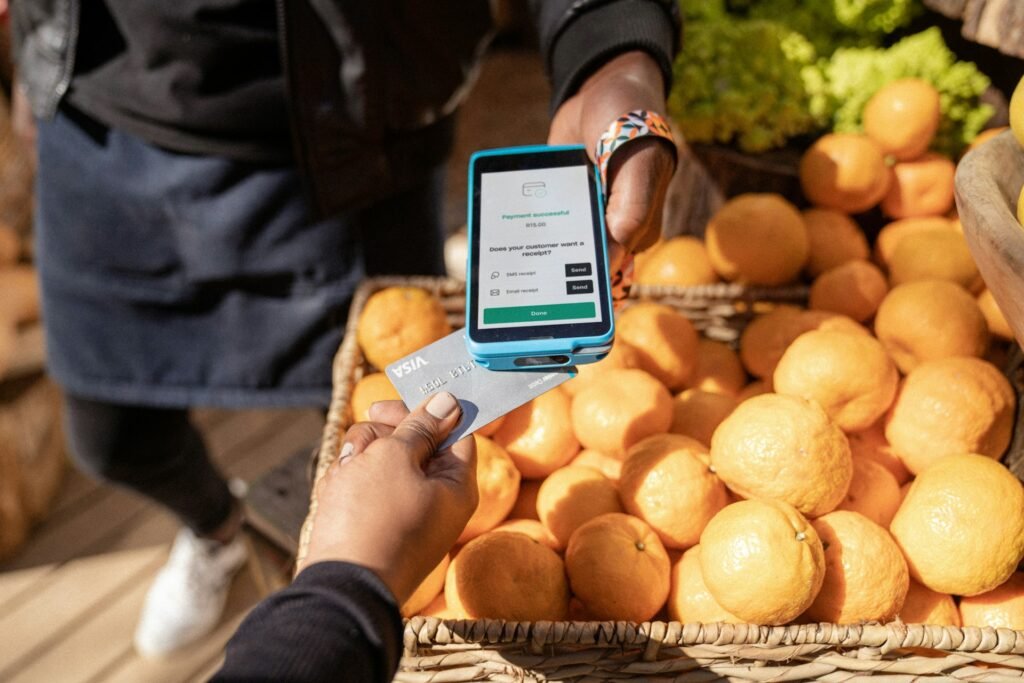
Grocery Mobile App Development: Transforming the Local Retail Landscape The old method of shopping at a grocery store has taken a backseat when compared to the digital era, which never ceases to spin in rhapsodies. With consumer preference tilting towards comfort, operational efficiency, and a frictionless shopping experience, the demand for full-featured grocery mobile apps spiked. A grocery mobile app development company in Delhi-an emergent and tech-savvy market in India-can be the bridge from traditional grocery businesses to more agile, customer-centric firms. This blog discusses the need for mobile app development in grocery stores in Delhi, along with the advantages offered to local retailers and prime methods for ensuring that the app stands out in a cut-throat market. The Rise of Mobile-First Retail in Delhi Not only does Delhi serve as the political capital of India, but is also home to a collision of cultures and lifestyles. In an increasingly tech-friendly city, the drivers of this growth for digital transformation in grocery retail might include improved internet access, a growing smartphone penetration, and increased digital literacy. The modern consumer values the convenience of ordering groceries online so as to avoid long queues and have the products delivered at their doorstep. With a dedicated mobile application, grocers in Delhi have an opportunity to connect to a much larger customer base, pursue process efficiency, and ultimately improve the sales of their businesses. Benefits of a Dedicated Grocery Mobile App 1. Enhanced Customer Convenience and Engagement A grocery app enables the shopping experience by allowing users to browse products, compare prices, and order from anywhere. Features such as inventory updates, payment options, and personalized recommendations ensure a stress-free experience for the customer. In a bustling metropolitan city like Delhi, where time is a luxury, an app to spontaneously order groceries could dramatically alter the game. 2. Increased Sales and Brand Loyalty Mobile applications earn you multiple revenue sources, and at the same time, they help you build a long-term customer relationship. Through the introduction of loyalty programs, push notifications, and personalized offers, grocery retailers can encourage buyers to repeat and become loyal. Additionally, the application can serve as a highly effective marketing tool that keeps your brand and product alive and relevant in the digital realm. 3. Operational Efficiency and Cost Savings Integrating mobile applications with backend support systems can simplify inventory, order processing, and delivery operations. This increased efficiency in operations reduces overhead costs and errors, ultimately adding up to higher profit margins. These efficiencies will give retail operators in Delhi a truly innovative competitive advantage that they could mull over competing with the best. 4. Data-Driven Decision Making Valuable customer data—from purchase history to user preferences—is collected through a mobile app. Leveraging her insights on consumer behavior will permit businesses to customize their offering, fine-tune their inventory, and take targeted marketing campaigns. Considerable data-driven strategies are extremely important for a market like Delhi, to cater to the ever-changing needs of the customers. Key Features to Include in Your Grocery Mobile App When developing a grocery mobile app for the Delhi market, several features can enhance user experience and set your app apart from the competition: 1. User-Friendly Interface and Navigation An intuitive and straightforward design is fundamentally important. Customers should easily browse through a product; choose their preferred types (like fresh produce, organic products, and household necessities), and fluently add an item to the cart. 2. Real-Time Inventory Management The use of real-time inventory updates helps avoid scenarios such as the possibility of ordering an out-of-stock product. It reassures customers that the products displayed are on the rack for purchase. 3. Secure and Diverse Payment Options By incorporating multiple payment gateways—from credit and debit cards to UPI, mobile wallets, and even cash-on-delivery—this helps ensure you cater to different preferences across a broad client base. Ensuring security is key, hence integrate robust encryption and fraud protection. 4. Order Tracking and Delivery Scheduling Friends and staff now have real-time tracking of where their food is. Along with that, they can choose a delivery time that does not interfere with the busy lives that they live. And this has improved the trust and satisfaction of the customers quite a bit. 5. Personalized Recommendations and Offers Your app, with the assistance of data analytics and machine learning, will be able to provide personal product suggestions based on previous purchases. Personalized promotions and discount offers will further motivate users to engage frequently with the app. 6. Customer Support and Feedback Channels Built-in chat or support features help facilitate quick problem-solving for customers. Reviews and ratings provide social proof while also enhancing service quality over time. Choosing the Right Technology Stack The development of a strong and scalable grocery mobile app will have a proper selection of technology stack. The Delhi companies focusing on dominating the market must use the following components: By choosing these in proper unison, a grocery app development company in Delhi can ensure that the output will be secure, effective, and future-ready. Overcoming Challenges in the Delhi Market The fruit of the great potential of the Grocery mobile app development in Delhicomes with antagonizing challenges. The common challenges include: If these challenges are decisively tacked in planning with strategic application of advanced technologies, not only will the grocery app flourish, but it will also continue to survive against competition in the city of Delhi. Why Partner with a Local Delhi-Based Grocery Mobile App Development Company? Choosing a local development partner brings several advantages: Conclusion A digital revolution in grocery shopping has thrown open various avenues for business in Delhi. Local stores could facilitate customer convenience, operations, and revenue growth through the development of a grocery application. Focusing on vital elements like intuitive design, real-time tracking, secure payments, and personalized recommendations, the features embedded in a modern app will redefine the way grocery shopping is perceived and experienced. For all other grocery businesses in Delhi, involving with a specialized e-commerce app development firm is not merely about the technological needs; it’s about seizing the market.
Best Digital Marketing Strategies for Tarot Card Reading

Best Digital Marketing Strategies for Tarot Card Reading In today’s increasingly digital world, tarot card reading businesses can increase reach, interact with clients, and grow into a larger practice by leveraging online marketing. Here is a comprehensive guide on the best digital marketing strategies to grow your tarot card reading business. Create a Professional Website Your website is the digital face of your business, the first point of contact with many prospective clients. A well-built and intuitive website will bestow trust in its viewers and is, therefore, likely to spur bookings. Primary Features: Leverage Social Media Marketing Social media is probably where you will engage your audience. It is also the best way to showcase your skills and knowledge with the audience. Best Platforms: Tips for Success: Invest in Search Engine Optimization (SEO) Search engine optimization (SEO) facilitates a high-ranking position for your website on search engine results pages, consequently driving organic traffic to your business. Most key SEO strategies you will want to explore: Offer Free Resources and Lead Magnets Offer resources at no cost to attract new clients and curry favor for your expertise with the new clients. Examples: Put this information up on your website, social media pages, and email marketing—it’s a great way to get the word out! Run Pay-Per-Click (PPC) Ads PPC ads can create an audience target and squeeze leads from them in no time at all. Platforms: – Google Ads: Target search terms like “professional tarot reader” or “online tarot reading services.” – Facebook Ads: Target the ads towards audiences interested in spirituality, self-help, or astrology. Tips: Email Marketing Email marketing is an effective means of multiple constructing relations with your audience for repeat bookings. Using Email Marketing: Tips: Host Live Sessions Live sessions allow you to connect with your audience in real-time and showcase your skills. Platforms: Benefits: Collaborate with Influencers Incorporating some influencer from the spirituality, self-help, or wellness sector will expand your reach while producing peer-reviewed credibility. How to Collaborate: 9. Use Video Content Of all the presentation modes applicable to services, video content takes the cake. Some ideas for creating video contents: Some Platforms: 10. Analyze and Optimize Your Strategy Continually monitor your digital marketing efforts to know what works and what doesn’t. Applications to Use: Optimization Tips: Conclusion Digital marketing has an endless opportunity to grow your tarot reading business. This basically includes the combination of the approaches like social media marketing, SEO, PPC, advertisement, and live sessions to attract new clients, build trust and establish your leadership in the field. Stick to the methods that give results, make changes and adapt for longevity.
How to Use Digital Marketing Strategy for Taxi Business

How to Use Digital Marketing Strategy for Taxi Business In today’s digital age, leveraging online tools and strategies is essential for any business, including taxi services. Digital marketing allows you to reach your target audience, build brand awareness, and generate bookings efficiently. Here’s a comprehensive guide on how to use digital marketing strategies to grow your taxi business. Develop a User-Friendly Website A professional, user-friendly website serves as the cornerstone of your digital marketing efforts. It acts as a hub for potential customers to learn about your services and book rides. Key Elements: Leverage Local SEO For a taxi business, local SEO is critical to attract nearby customers who need your services. Steps to Optimize Local SEO: Invest in Pay-Per-Click (PPC) Advertising PPC advertising allows you to target specific audiences with highly relevant ads. Platforms like Google Ads and Bing Ads can help you reach potential customers searching for taxi services online. Benefits: Tips: Engage with Social Media Marketing Social media platforms provide an excellent opportunity to connect with your audience, promote offers, and build brand awareness. Best Platforms for Taxi Businesses: Tips for Success: Create a Mobile App A mobile app enhances convenience for your customers and allows you to compete with larger ride-hailing companies like Uber. Features to Include: Promote your app through: Content Marketing Create valuable content to engage your audience and establish your authority in the transportation industry. Ideas for Content: Distribution Channels: Email Marketing Email marketing is an effective way to retain existing customers and encourage repeat bookings. How to Use Email Marketing: Tips: Run Referral Programs Referral programs encourage your existing customers to bring in new ones by offering incentives. How It Works: Promotion Tips: Video Advertising Videos are one of the most engaging forms of content and can help you stand out from competitors. Types of Videos: Platforms: Analyze and Optimize Consistently monitor the performance of your digital marketing campaigns to ensure effectiveness. Tools to Use: Optimization Tips: Conclusion A well-executed digital marketing strategy can significantly boost the visibility and profitability of your taxi business. By combining techniques like local SEO, social media marketing, PPC advertising, and customer engagement tools, you can reach your target audience effectively and stand out in a competitive market. Stay consistent, monitor your results, and adapt your strategies to ensure long-term success.
Boost Your Travel Business with Digital marketing Strategies

Boost Your Travel Business with Digital marketing Strategies The travel and tourism sector has undergone radical transformations in the wake of the rise of digital marketing. In today’s digital world, it is online platforms that enable travelers to plan trips; book accommodations; and explore destinations, thereby making digital marketing an essential tool for all travel agencies, tour operators, and hospitality businesses in pushing their customers to book. In this blog post, we discuss various digital marketing strategies that can help the businesses in the travel and tourism sector strengthen their online presence and boost conversion rates. Understanding Digital Marketing in Travel and Tourism The digital marketing company in travel and tourism use online channels such as search engines, social media, email marketing, and content marketing to promote travel-related services. These strategies further go a step and lead the businesses to potential travelers, engaging with them to convert leads into actual customers. Key Digital Marketing Strategies for Travel and Tourism a) Search Engine Optimization (SEO) SEO is crucial for travel businesses to rank higher on search engines like Google and Bing. Here’s how to optimize your travel website: b) Social Media Marketing Social networking platforms such as Facebook, Instagram, Pinterest, and TikTok serve the main purpose of marketing travel. Here is how to use them effectively in the industry: c) Content Marketing Content marketing can help establish brand authority and gain a pool of potential travelers. Some great content strategies include: d) Pay-Per-Click (PPC) Advertising Instant traffic and bookings can be secured for travel-based firms through the PPC campaigns. Some great platforms for PPC are: e) Email Marketing Email marketing can engage past and potential travelers rather easily. Strategies include: f) Online Reputation Management (ORM) Travelers trust online reviews and ratings before booking trips. ORM helps build credibility: Leveraging Emerging Trends in Travel Marketing a) Voice Search Optimization With the rise of smart assistants like Siri and Alexa, travelers use voice search to find destinations and travel services. Optimize content for voice queries like: b) AI and Chatbots Artificial Intelligence (AI) is transforming travel marketing. Chatbots provide instant customer support and assist with: c) Augmented Reality (AR) & Virtual Reality (VR) AR and VR enhance customer experience by offering: d) Sustainable & Eco-Tourism Marketing Modern travelers prefer eco-friendly travel options. Promote sustainability initiatives such as: Measuring and Improving Digital Marketing Performance To ensure the success of your Digital marketing campaigns, track and analyze performance using: Conclusion Digital marketing is an indispensable tool for travel and tourism businesses looking to thrive in a competitive landscape. By leveraging SEO, social media, content marketing, and PPC Advertising, travel brands can attract more customers and increase bookings. Staying updated with emerging trends like AI, voice search, and sustainable tourism will further enhance your marketing success. Start implementing these strategies today and take your travel business to new heights!
The Future of AI in Mobile Apps in 2026

The Future of AI in Mobile Apps in 2026 Artificial Intelligence is revolutionizing the mobile app industry, changing the way applications behave and interact with the user. With the advances in machine learning, natural language processing, and automation, AI is making mobile apps smarter, more intuitive, and very efficient. As businesses and developers integrate AI into the workflow of applications, the future of AI in mobile applications is shaping up to be innovative and game-changing. The Growing Influence of AI in Mobile Apps No longer futuristic, AI is fast becoming a key part of mobile apps. Features driven by AI, like personal assistants such as Siri and Google Assistant and sophisticated recommendation systems in shopping and entertainment apps, help make the user experience more engaging. There is an ever-increasing demand for personalization, automation, and intelligent decision-making in the mobile app development field, and this is essentially a huge shot in the arm for AI development. Key AI Technologies Shaping the Future of Mobile Apps Machine Learning (ML) and Predictive Analytics It is predictive analytics that assist businesses in gathering intelligence on user preferences and offering personalized recommendations to improve engagement. AI-powered analytics can also predict user needs, which reduces friction in navigation and transaction. Machine learning algorithms make for apps that learn from user behavior, improving over time. Natural Language Processing (NLP) and Voice Recognition NLP supports virtual assistants, chatbots, and voice-controlled applications, which help attain smooth human-computer interaction. AI-powered voice recognition is improving the effectiveness of speech-to-text applications, which leads to more precise and accessible voice commands and voice searches. Computer Vision and Augmented Reality (AR) AI-powered computer vision technologies are transforming industries like healthcare, retail, and gaming. AR apps, augmented by AI, deliver immersive experiences, like virtual try-ons in fashion apps and real-time language translation in travel applications. AI-Powered Chatbots and Virtual Assistants Chatbots powered by artificial intelligence provide customers with speedy help, thus drastically reducing their response time and boosting user satisfaction. Virtual assistants like Alexa, Google Assistant act on user commands, ensure actions, and voice required queries, thus making mobile application far more interactive. Facial Recognition and Biometric Authentication AI-based security solutions are quickly growing, with facial recognition and fingerprint authentication in boosting app security and user privacy. Technologies assist in fraud detection, secure transactions, and creating personalized authentication for the users. AI in Healthcare and Fitness Apps Mobile apps in the healthcare and fitness industry leverage AI to offer personalized health insights, monitor vital signs, and suggest fitness plans. AI-driven diagnostic tools and symptom checkers empower users with real-time health assessments. AI in E-commerce and Personalized Shopping E-commerce apps leverage artificial intelligence to analyze customer preferences and make tailored product recommendations. AI-driven chatbots help customers throughout their shopping journey, while visual search enables users to find products by using images. AI in Finance and Fintech Applications AI enhances fraud detection, automates financial management, and provides personalized investment advice. Fintech apps leverage AI-powered robo-advisors to help users make data-driven financial decisions. The Future Trends of AI in Mobile Apps Hyper-Personalization The feature of hyper-personalization will be integrated into mobile applications, enforced only through artificial intelligence in the future. Data analytics in real time and preference insights will allow AI to give its accurate recommendations. Customer engagement and satisfaction will highly improve with these informed recommendations. Enhanced Conversational AI Evolution-Verse Conversational AI will evolve to be more human-like. Virtual assistants and chatbots will comprehend context better, turning conversations into meaningful and productive experiences. Edge AI for Faster Processing Edge AI which processes data locally on devices rather than cloud-based servers, will improve mobile app performance through latency reduction and enhanced data privacy. AI for App Development Automation AI-powered tools will simply code, test, and debug mobile apps. Developers will employ AI to build high-quality applications in less time. AI in Gaming and Entertainment Gaming and entertainment apps will use AI to create a more immersive and adaptive experience. AI-driven NPCs (non-playable characters) and dynamic storytelling will pave the way for a revolution in mobile gaming. AI-Driven Smart Assistants for Businesses AI-powered smart assistants will improve productivity by aiding businesses in task management, meeting scheduling, and workflow optimization. Such assistants would synchronize with applications for businesses, improving operational efficiency. AI-Enhanced Security and Privacy Features AI will take on an ever-increasing role as cyber threats become more complex by recognizing vulnerabilities and increasing security measures. AI-driven anomaly detection can eradicate data breaches and fraud just before they take place. AI in Education and Learning Apps AI-powered education apps will provide personalized learning experiences, adaptive assessments, and intelligent tutoring systems for improved accessibility of the learning process and efficiency. Challenges and Ethical Considerations Conclusion AI will play an integral part in the future of mobile app development, providing new, easy-to-use, secure, and helpful options for interaction. AI will change everything about interfacing with mobile apps-from personalization to enhanced security and automation. Businesses and developers will have to learn to implement AI-driven innovation while ensuring that roadblocks are addressed to allow a smooth and ethical transition into the AI health-driven mobile ecosystem. Artificial intelligence will give the next-gen mobile apps not only ease and efficacy but also a whole new world of opportunities for industries worldwide. Journey into AI in mobile apps is just beginning, and the future will be endless with possibilities.
Custom GPTs vs. Traditional Chatbots: Which One is Right for Your Business?

Custom GPTs vs. Traditional Chatbots: Which One is Right for Your Business? In today’s world of technology, business operations focus on customer interactions, streamlining operations, and improving user experience; thus, automating customers” interactions by AI-powered solutions is not optional. Chatbots are OK, but the latest generation custom GPTs provide MUCH more sophisticated and dynamic dialogues. So, which is right for your business?This is probably your best bet. Are you looking for a comparison between Custom GPTs or traditional chatbots?An illustration for use cases?What are the advantages of one over the other?Choosing the perfect solution out of the two?That and more, in this article. Understanding Traditional Chatbots What Are Traditional Chatbots? Traditional chatbots, meanwhile, are AI-driven software programs that simulate conversations with users according to pre-defined rules and structured responses. Such chatbots typically follow a decision-tree model whereby inputs by a user elicit a specific reply according to scripted programming. Types of Traditional Chatbots: Traditional chatbots can provide: Traditional Chatbot Limitations: Key Features of Custom GPTs: Advantages of Custom GPTs: Limitations of Custom GPTs: Which One Is Right for Your Business? Feature Traditional Chatbots Custom GPTs Response Mechanism Predefined responses AI-generated dynamic responses Learning Capability Limited, requires manual updates Self-learning, improves over time Complex Query Handling Struggles with complex questions Handles complex and multi-turn conversations Personalization Minimal, relies on predefined rules Highly personalized and adaptive Setup & Maintenance Easy to implement and low maintenance Requires AI training and monitoring Cost Lower cost, affordable for small businesses Higher cost due to AI model training Industries Best Suited For Basic customer support, FAQs, e-commerce, hospitality Healthcare, finance, legal, SaaS, and businesses requiring advanced automation Choose Traditional Chatbots If: Choose Custom GPTs If: Use Cases of Traditional Chatbots vs. Custom GPTs Custom GPT Use Cases: Conclusion Traditional chatbots and custom GPTs both cater to different audiences, thus your business requirement, budgetary allocations, and interaction with the customer should dictate which one is the best fit for you. A traditional chatbot is the most affordable and convenient option when a business needs basic rule-based interactions. However, if an advanced, scalable, and personalized AI assistant would greatly increase the user experience and efficiency for your business, the best value would be getting yourself a custom GPT. As AI continues to develop, businesses need to evaluate their objectives and customer expectations in order to find the right AI-powered solution. Whether you will choose a traditional chatbot or a custom GPT, the place of AI in your business operations holds huge potential for engagement, automation, and overall operational efficiency.
Importance of UI/UX Design in Mobile App Development in 2026

Importance of UI/UX Design in Mobile App Development in 2025 Mobile apps play a vital part in human life, offering solutions for communication, shopping, entertainment, business, and more. Yet only a few of them retain users and achieve long-term success out of millions. One of the fingers that define mobile apps’ success depends on their UI and UX design. If well designed, not only will the UI/UX provide visual appeal to the app, but it will also ensure smooth navigation, high engagement, and overall customer satisfaction. Understanding UI and UX in Mobile App Development UI Design The aesthetic and interactive part of an application must be well considered. General UI design will include preparing screens, adding buttons or icons, typography, color schemes types, and overall layouts. The attractive appeal value besides an efficiently structured UI affects users and applies ease of use in the app. UX Design UX design is applied to smoothen and give a meaning to the user journey. Researching user behavior, designing intuitive navigation, optimizing the function area, and ensuring that the users accomplish their tasks very easily are inherent in this kind of design. A good UX assures that the application will be user-friendly and thus retain users engaged for a longer time. Why UI/UX Design is Crucial for Mobile App Development Key Elements of Effective UI/UX Design in Mobile Apps Emerging UI/UX Trends in Mobile App Development Conclusion UI/UX design is a fundamental aspect of mobile app development that significantly impacts user engagement, retention, and overall success. A well-designed app not only looks visually appealing but also ensures seamless navigation, high usability, and customer satisfaction. Businesses and developers must prioritize UI/UX design to create compelling and user-friendly applications that stand out in today’s competitive market. By focusing on user needs, simplicity, consistency, and emerging design trends, mobile apps can deliver an exceptional user experience that drives growth, enhances brand loyalty, and maximizes conversions. Investing in high-quality UI/UX design is not just a trend—it is a necessity for the long-term success of any mobile application
Boost Your Hotel Business with a Stunning Hotel Website Design Company in Delhi

Boost Your Hotel Business with a Stunning Hotel Website Design Company in Delhi As of today, in the digital age, designing a website is necessary for hotel businesses. Jaimru Technology Private Limited is one of the specialist developers that create appealing, user-friendly, and fast-acting websites for hotels, resorts, and the hospitality industry based in Delhi. Our custom-built hotel websites can increase direct online bookings while enhancing the quality of guest experiences. Why Choose Us for Your Hotel Website Design? 1. Stunning Visual Appeal & Intuitive Design First impressions are everything! We will build an attractive hotel website with beautiful images, interesting layouts, and smooth user experience to have your guests drooling. 2. Mobile-Optimized & Responsive Websites In most cases, users check out a website on mobile. Realizing that, we make sure it is nice and responsive and works great on smartphones, tablets, and desktops. 3. Easy Online Booking System Due to this, we encourage the use of a secure and easy-to-navigate booking platform that allows guests to book rooms directly from your website; hence, no third parties are involved. 4. SEO & Digital Marketing Ready We do search engine optimization on your website so that visitors to Google and other search engines can find your hotel with awareness; thus, the marketing strategies used in our SEO include social media integration, content marketing, and PPC campaigns. 5. Secure Payment Gateways We install secure and reliable payment gateways in order to foster smooth online transactions, thus making the booking experience seamless for your guests. 6. Multi-Language & Multi-Currency Support We deliver multi language and multicurrency options for hotels jailed to carnevalize the internatitional guests easier for traveller slovated from different regions to reach and book rooms. 7. Guest Reviews & Testimonials Integration Showcase guest experiences by integrating a testimonial section and linking to platforms like TripAdvisor and Google Reviews to build credibility and trust. 8. Custom Features for Hotels & Resorts Our Hotel Website Design Services Take Your Hotel Business to the Next Level! A professional and well-optimized hotel website is a game-changer for increasing direct bookings and enhancing customer experience. Jaimru Technology Private Limited is committed to delivering top-notch web solutions that help your hospitality business thrive. Let’s create a digital presence that makes your hotel the preferred choice for travelers!