The Role of Fintech Apps in the Cashless Economy

The Role of Fintech Apps in the Cashless Economy A cashless economy is quickly developing at the global scale due to technological progress and changing consumer behaviour. The facilitating trend for cashless societies is fintech apps, which permit for seamless digital transactions, mobile banking, and accessibility. So what are their roles as we move towards a cashless economy? Let’s explore. How Fintech Apps Are Driving the Cashless Economy Challenges of a Cashless Economy Despite their advantages, fintech apps face challenges like cybersecurity risks, digital literacy gaps, and internet dependency. However, continuous innovation is helping to address these concerns. Conclusion The increasing cashless society represents an important transformation of cash transit funds that will provide convenience, security, and align with trends in financial inclusion. With the advances in technology, the disruptive nature of fintech applications in the cashless economy and digital financial ecosystem will also continue to evolve. Will you be part of the cashless future? Start using fintech applications today for a smart and practical financial experience!
The Rise of No-Code & Low-Code App Development: Is It the Future?

The Rise of No-Code & Low-Code App Development: Is It the Future? In the rapidly changing world of technology, organizations are constantly striving to find ways to become more efficient, save money, and speed up their digital transformation. One of the past few years’ most impactful changes in technology is the meteoric rise of low code no code development platforms. These platforms modernize the application building process, allowing non-technical users the ability to build applications, while proving even more efficient in other areas for professional developers. But is low code-no code really the future of app development? Let’s find out! What is No-Code & Low-Code Development? Why is Low-Code No-Code Development Gaining Popularity? Challenges of No-Code & Low-Code Development Low code no code development has its advantages and disadvantages: Is No-Code & Low-Code Development the Future? The adoption of low code no code development is undoubtedly growing, and it is reshaping the software development industry. While it may not completely replace traditional coding, it serves as a powerful tool for businesses looking to innovate quickly and efficiently. As these platforms continue to evolve, offering more advanced functionalities and better security, their role in the future of software development will only strengthen. Companies that embrace this technology now will have a competitive advantage in an increasingly digital world. Conclusion No-code and low-code development are revolutionizing the way applications are built, enabling faster, more cost-effective, and accessible solutions for businesses. While challenges remain, the benefits far outweigh the drawbacks, making low code no code development a key driver of digital transformation in the years to come. If you’re looking to build an application quickly without heavy investment in development, exploring no-code and low-code platforms could be your best bet!
How 5G is Transforming Mobile App Development in 2026

How 5G is Transforming Mobile App Development in 2026 In 2026, with the introduction of 5G, the mobile industry is in the process of an unmatched transformation. Which will deliver ultra-speeds, low latency, and connectivity starting in 2026 and will change how we build mobile applications. Furthermore, it is essential for companies and developers to understand the implications of this next generation network for the future of mobile applications so they can quickly adapt, take advantage of opportunities, and enlarge the user experience. The Impact of 5G on Mobile App Development Lightning-Fast Speeds for Enhanced User Experience The most important advantage of 5G is the speed, being as much as 100 times faster than 4G. This means mobile apps will be able to load information in an instant, while cutting down on buffering speed for video, streaming, and interactive app experiences. Users will appreciate the never-ending performance, making it a major factor in mobile app success. Ultra-Low Latency for Real-Time Interactions The ultra-low latency 5G experience can reduce response times to one millisecond. This is a game-changer for applications with real-time requirements: Revolutionizing Augmented & Virtual Reality (AR/VR) 5G’s high bandwidth and low latency will allow AR and VR applications to run more effectively than previously possible, producing more immersive experiences. The retail, education, real estate, and healthcare industries will leverage enhanced AR/VR features in their mobile apps, ultimately improving experiences with virtual shopping, remote training, and 3D consultations in medical practice. Better Cloud Integration & Edge Computing With 5G’s potential, mobile apps will be able to use cloud computing more fully in ways not possible before. Today, users find it reasonable, even desirable, to process and store data in the cloud rather than on their device due to faster connectivity. This provides for smaller apps and more responsive app experiences. In addition to cloud computing, developers will be able to take advantage of edge computing—where data is processed locally and much closer to its originating source—to optimize response times for Internet of Things devices, AI-based applications, and applications making use of location services. Advancing IoT and Smart Applications The advancement of IoT-connected mobile applications will be driven by 5G capabilities leading to efficient smart devices, wearables, and connected homes. The increased capacity of the 5G network will allow for the management of even more connected devices in applications, which will improve automation, monitoring, and apply intelligence in mobile apps. Enhanced Video Streaming & Entertainment The high-speed network of 5G will dramatically improve mobile applications that require video streaming, gaming, and content-sharing services. Accessibility to 4K and 8K video streaming, multiplayer gaming in real-time, and overall interactive content will improve, as a more exciting forms of entertainment. Improved Mobile App Security & Connectivity 5G also includes enhanced security protocols, such as improved encryption and network slicing, which provide better security of the mobile applications from cyber attacks. Moreover, its ability to concurrently support multiple devices will allow for better connectivity even in crowded places such as stadiums, concerts, and city centers. How Businesses Can Leverage 5G for Mobile Apps Conclusion The adventage of 5G in mobile app development represents a striking departure that has the potential to allow for? innovation, effectiveness, and enhanced user experiences. Businesses and developers will be positioned to take advantage of the next digital revolution with implementation of 5G, revealing new frontiers of opportunity and creativity in mobile app development . As we look forward into 2026, 5G will be more than a next step, it will be essential to building superior mobile applications.
Jaimru CRM: Renovate the Travel Industry with the Best Travel CRM Software
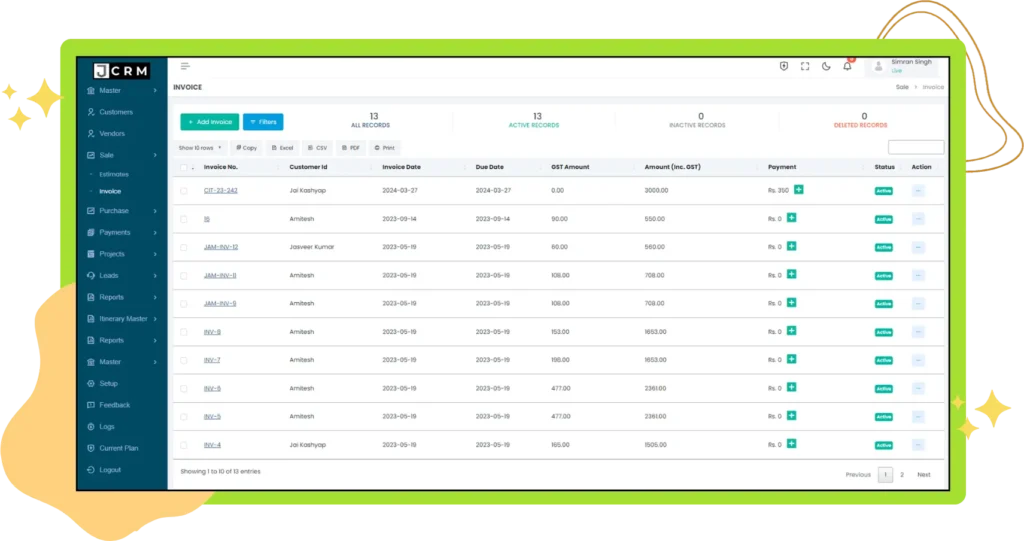
Jaimru CRM: Renovate the Travel Industry with the Best Travel CRM Software In this modern era of an extremely competitive and rapidly changing travel industry, productivity, effectiveness, and top-notch execution are not just goals—they’re necessities. If you’re a new travel agency or a reputable tour operator, managing leads, streamlining operations, and delivering customized customer interaction, avoiding repetition, and maintaining interest. A travel CRM (Customer Relationship Management) system makes a substantial difference in managing customer interactions. Enter Jaimru CRM—the game-changing solution tailored specifically as the best travel CRM software for agencies, tour operators, and travel consultants. To make something modern in style or methods, Jaimru CRM is a comprehensive customer relationship management (CRM) system that centralizes all aspects of customer engagement. In this blog, we’ll cover the info about why Jaimru CRM stands out as the best CRM for travel agencies, how it assists travel professionals, and what makes it the ultimate CRM software for the travel industry. Why the Travel Industry Needs a Custom-Made CRM The CRM for the travel industry is not just about managing the contacts or sending some emails—it is all about the well-organized itineraries, tracking all the leads, automating all the bookings, managing all the follow-ups, and delivering very unforgettable moments of customer journey from start to finish. All the custom-built CRM platforms, a CRM system for travel agencies, should be prepared for the challenges of traveling with a group, B2B with B2C sales, affordable pricing, multiple-destination tours, and periodic demand. Traditional CRMs fall short, but dedicated travel agency CRM software like Jaimru CRM fills that gap. Introducing Jaimru CRM: The Ultimate CRM for Travel Companies Jaimru CRM was built with a deep understanding of the travel domain. From inquiry to itinerary, it supports every customer touchpoint. Here’s why Jaimru CRM is considered the best travel CRM software by agencies across the globe: 1. Lead Management and Automation Capturing and managing leads is the lifeline of any travel business. Jaimru CRM enables: 2. Itinerary and Booking Management Say goodbye to juggling multiple spreadsheets and documents. With Jaimru CRM: This is the future of CRM software for travel industry professionals who value time, accuracy, and a smooth customer experience. 3. Centralized Data Management Our travel CRM makes sure that all the customer data, travel preferences, booking history, and also communication are securely stored in a safe place. All of our data is readily available, enabling better customization and service delivery. Core Features That Set Jaimru CRM Apart Let’s explore the standout features that make Jaimru CRM the best CRM for travel agency operations: – Customizable Dashboard Tailor your CRM dashboard according to your workflow. View real-time sales metrics, upcoming departures, payment statuses, and active itineraries at a glance. – Task & Workflow Automation Empower your team to focus on more strategic work. implementing automated follow-up sequences, all payment reminders, and methods used to gather customer opinions, such as surveys, interviews, and focus groups. – Integrated Communication Send emails, WhatsApp messages, or built-in SMS functionality. Track every communication thread to ensure smooth coordination. – Reporting & Analytics Make well-considered decisions with full analysis and reporting tools. Analyze sales data, agent performance, even time slot patterns, and ROI. – Multi-User Role Access Assign roles to your team with controlled access to CRM modules. This makes Jaimru CRM ideal for large travel companies with multiple departments. Who Can Benefit from Jaimru CRM? Whether you’re a solo travel consultant or a large-scale operator, Jaimru CRM is built to scale with your business. It is perfect for: Our CRM ensures that all types of travel businesses can achieve greater efficiency and customer satisfaction. Jaimru CRM vs. Generic CRM Platforms Let’s compare how a travel-specific CRM like Jaimru CRM stacks up against general-purpose CRMs: Feature Generic CRM Jaimru CRM Lead Management Yes Yes Itinerary Builder No Yes Booking Automation No Yes Travel Vendor Management No Yes Travel-Specific Templates No Yes Payment Gateway Integration Limited Yes Industry-Specific Reports No Yes The verdict is clear: for travel companies, choosing a specialized solution like Jaimru CRM is a no-brainer. The Competitive Edge: Why Jaimru CRM is the Best Travel CRM Thousands of travel professionals have chosen Jaimru CRM over the competition. Here’s why we’re proud to be the best travel CRM: – Industry-Specific Design Built by travel experts, for travel experts. – Easy Onboarding & Training Get started quickly with our step-by-step training guides and support. – Budget-Friendly Pricing Our pricing plans are designed to suit all the agencies of all sizes—without compromising on features. – 24/7 Customer Assistance Our entire assistance team is always available to assist with setup, troubleshooting, and customization. Real Results from Real Agencies Here’s what some of our clients are saying about their experience with Jaimru CRM: “We saw a 40% increase in lead conversion within just 3 months of using Jaimru CRM.” – Nisha, Wanderlust Voyages “The itinerary builder is a game-changer. Our customers are impressed, and we save hours every week.” – Arjun, GoEasy Travels “Hands down the best CRM for travel agencies. We’ve used others, but nothing comes close to Jaimru CRM.” – Ravi, ExploreWorld Tours How to Get Started with Jaimru CRM Ready to transform your travel business? Getting started with Jaimru CRM is simple: Conclusion In a competitive market where customer centricity can be all-or-nothing, adopting the best travel CRM software is no longer necessary—it’s a crucial necessity. Jaimru CRM enables you to achieve your goals, automation, and all the insights you need to make it special in the travel industry. Even if you are overseeing a small number of bookings or an integrated network of multi-destination excursions, our CRM is engineered to fuel your growth. Stop organizing spreadsheets, reminder notes, and disorganized emails. Switch to Jaimru CRM, the trusted CRM for travel companies that simplifies, streamlines, and supercharges your operations. ???? Schedule your free demo today and discover why Jaimru CRM is the best CRM for travel agencies.
What is Lazy Loading? Benefits & Keyword Ranking Impact

What is Lazy Loading? Benefits & Keyword Ranking Impact The speed of your website is highly important to both site performance and SEO, and a faster loading website creates a better overall experience for users, and will allow you to rank faster in search engines. Website loading speed is highly important for both site performance and SEO, it creates a better users experience and allow your keywords to rank faster in Search engines. One best practice to improve page-load speed is lazy loading. In this blog, we will dive into what lazy loading is, how it works, the benefits of lazy loading, and how it can help improve keyword ranking in Google. What is Lazy Loading? Lazy Loading is a practice done by developers and SEO experts, that delay loading of non-essential or off-screen resources (like images, videos, or iframes) until an user scrolls close to them Lazy loading treats the web as a single page. Instead of loading all the content at once, lazy loading loads only the content that is visible at first, and then it loads extra content as needed. Enhance Website performance and improve users experience, this is especially useful for resource-heavy pages with lots of images or videos. How Lazy Loading Works Here’s an easy explanation: 1. When a user visits your website, only the content that is visible on the screen loads initially; other elements that are not visible on the screen do not load. 2. Then, as the user scrolls down, all of the images or other page elements load just before they are visible on the screen, 3. Which decreases the initial page load time and saves bandwidth. Lazy loading can be achieved using HTML, JavaScript, or through plugins, if you’re using any CMS platforms like WordPress. Example in HTML: “`html <img src=”image.jpg” loading=”lazy” alt=”Lazy loaded image”> Key Benefits of Lazy Loading 1. Faster Load Times By lazy loading, you reduce the number of requests sent to the server at once to load the website, which allows your pages to load fast. Speed is very important if you want users to stay engaged. 2. Increase User Experience Visitors won’t have to wait on every image or video to load and can interact right away. A quicker loading time results in lower bounce rates and more user retention. 3. Reduced Bandwidth Consumption Users will consume less data because only what is visible is loaded first. This is especially useful for mobile users. 4. Improved Performance on Mobile Lazy loading effectively controls how “responsive” your website is to users on inadequate mobile networks and can also help to limit load times. 5. SEO Implications & Keyword Ranking Lazy loading can assist with improved Core Web Vitals which all incorporated into Google algorithm rank. – Load time is faster = better user metrics – which include bounce rate and time on site – Better user metrics = better ranking signals – Better user experience = better engagement – it won’t generally affect ranking but can over time Lazy loading doesn’t improve keyword ranking directly, it will allow for better performance signals that search engines consider when ranking content. SEO Best Practices When Using Lazy Loading By following these recommendations, you can avoid lazy loading having a negative impact on your SEO: – Use native lazy loading, which is `loading=”lazy”` in HTML5, for images and iframes – Always use proper alt tags and captions for lazy loaded images. – Ensure that important images, like hero images or banners, are not lazy loaded to avoid content being delayed at perceived page load. – Check to see how your site looks using Google PageSpeed Insights and Lighthouse, which will help you ensure that your content is getting indexed properly. Final Thoughts Lazy loading is a simple but powerful way to improve your site’s speed, user experience, and SEO performance. If you implement it correctly, you can essentially make your site load faster and enhance your chances of ranking in the top positions for your target keywords. Would you like help implementing lazy loading or improving your site’s performance? Talk to our team at Jaimru Technology Private Limited — we focus on performance optimisation and SEO-friendly web development!
What Is Click Fraud? Types, Impact, and Prevention Strategies.

What Is Click Fraud? Types, Impact, and Prevention Strategies. In the world of internet advertising, every click matter—literally. But not every click is genuine. Enter click fraud, a misleading practice that can drain ad budgets, skew data, and harm businesses without them even realizing it. In this post, we’ll analyze what click fraud is, delve into the types of click fraud to be aware of, explain how it affects your campaigns, and talk smart prevention tactics that will protect your ad spend. What Is Click Fraud? Click fraud happens when someone—usually a competitor, bot, or fraudster—intentionally clicks on your ads with no interest in your product or service. The goal? To exhaust your ad budget, skew your performance metrics, or gain personal profit through ad networks. It’s especially common in pay-per-click (PPC) advertising, where advertisers are charged every time their ad is clicked. Unfortunately, not all clicks are created equal. Types of Click Fraud 1. Manual Click Fraud – Performed by competitors or hired individuals who manually click on ads to sabotage campaigns. – Common in industries with high competition and expensive keywords. 2. Bot Click Fraud – Automated programs or bots simulate human clicks to inflate ad impressions or drive fake traffic. – Often used by malicious actors or unethical publishers trying to boost revenue. 3. Click Farms – A group of low-paid workers clicking on ads or engaging with websites to manipulate engagement metrics. – These farms can mimic real behavior, making them hard to detect. 4. Publisher Click Fraud – Occurs when a website owner repeatedly clicks on ads on their own site to generate more income from ad networks. – Violates policies of platforms like Google AdSense. 5. Competitor Sabotage – Competitors click on your ads to deplete your budget quickly, making your ads disappear and boosting their own visibility. Impact of Click Fraud Click fraud doesn’t just waste money—it has deeper, long-term effects on your marketing efforts: – Budget Drain: Your ad budget gets eaten up by non-legitimate clicks. – Skewed Analytics: You may think a campaign is performing well (or poorly) when the data isn’t accurate. – Lower ROI: Fewer real leads and conversions despite high traffic numbers. – Wasted Resources: Marketing teams spend time analyzing false trends and adjusting strategies unnecessarily. – Account Suspensions: Platforms may flag suspicious activity and pause your campaigns—even if you’re the victim. How to Prevent Click Fraud Luckily, there are practical ways to detect and prevent click fraud before it causes serious damage: 1. Use Click Fraud Detection Tools – Tools like ClickCease, PPC Protect, or CHEQ can monitor clicks in real-time and block suspicious IPs. 2. Set IP Exclusions in Ad Platforms – Manually block IP addresses or ranges that repeatedly click without converting. 3. Leverage Geotargeting – Focus your ads on specific regions and exclude areas where fraud is more likely to occur. 4. Monitor Campaign Metrics Closely – Look out for spikes in click-through rates without conversions, high bounce rates, or unusual time-on-site data. 5. Use CAPTCHAs and Bot Filters – Adding these on your landing pages can help filter out non-human traffic before it wastes your budget. 6. Limit Ad Display Frequency – Use frequency capping to prevent your ads from being seen (and clicked) repeatedly by the same user or bot. 7. Educate Your Team – Make sure everyone handling ads knows what click fraud looks like and how to respond. Final Thoughts Click fraud is a covert killer in the digital advertising world—but it doesn’t have to be. You can combat it effectively—using the right tools, data analysis, and prevention strategies minimize the damage and make sure your ads are shown to actual people, with actual intent. Don’t let fake clicks drain your budget. Stay alert, use smart technology, and keep optimizing for what matters most—genuine engagement and meaningful results.
AI in SEO: Benefits, Tools & Future of AI in SEO

AI in SEO: Benefits, Tools & Future of AI in SEO The world of digitization is changing faster than ever before, and Artificial Intelligence (AI) is driving most of that momentum. One of the most significant areas AI is redefining is Search Engine Optimization (SEO). Every aspect of SEO, including content creation, keyword research, and SERP analysis is being made smarter, quicker and more efficient and effective. In this blog, we will talk about the benefits of AI within SEO and review popular AI SEO tools, as well as comment on the future of AI in the SEO space. What is AI in SEO? AI applied to SEO refers to the analysis, prediction and optimization of search engine strategies with machine learning, natural language processing and automated technologies. AI can scour large data sets in seconds, identify patterns and deliver insights that might take a person days or weeks to develop. AI is set to transform SEO, whether that is through voice search optimization, improving content relevance, or competitive analysis, AI is proving to be an indispensable game changer. Benefits of AI in SEO 1. Faster Data Analysis AI can scan and analyze thousands of web pages, keywords, and backlinks in seconds, providing actionable insights to improve SEO strategies quickly. With AI you can get actionable insights to improve SEO strategies quickly, AI can scan hundreds of page, keywords, and backlinks. 2. Smarter Keyword Research AI tools suggest keywords based on user intent, search trends, and competitor data, helping marketers target high-value terms more effectively. 3. Improved Content Creation AI-driven tools like ChatGPT and Jasper can generate SEO-friendly content, blog outlines, product descriptions, and even meta tags with ease. With tools like ChatGPT and Jasper you can generate SEO –friendly content, content outline, product descriptions, and customize as per user intent for better experience with ease. 4. Better User Experience AI helps tailor website content, layout, and CTAs to user behavior, improving engagement rates and reducing bounce rates—both of which influence SEO rankings. 5. Voice & Visual Search Optimization With the rise of voice assistants and image-based search, AI helps optimize content for these new search trends by understanding context and semantics. 6. Predictive Analysis AI can forecast ranking trends, competitor movements, and user intent, helping businesses stay ahead in the SEO game. Top AI Tools for SEO Here are some powerful tools using AI to transform SEO: – Surfer SEO – Optimizes content with real-time SERP data analysis. – MarketMuse – Uses AI to analyze content gaps and suggest improvements. – Jasper AI – AI writing assistant for creating high-quality SEO content. – Frase.io – Creates content briefs and optimizes existing content using AI. – Semrush & Ahrefs – Use AI for keyword research, backlink analysis, and site audits. – ChatGPT (by OpenAI) – Helps generate SEO-friendly titles, meta descriptions, FAQs, and content ideas. The Future of AI in SEO AI is not just a trend—it’s the future of SEO. Here’s what we can expect moving forward: 1. Hyper-Personalized Content AI will allow content to be tailored for individual users based on behavior, demographics, and intent. 2. Real-Time SEO Optimization Websites will adjust dynamically in real-time based on user interactions and AI feedback loops. 3. Conversational SEO As voice search grows, AI will play a major role in optimizing for natural language queries. 4. Automated Technical SEO AI tools will detect and fix issues like crawl errors, broken links, and slow page speed with little to no human input. 5. Smarter Search Engines Google and other search engines are increasingly using AI (like BERT and MUM) to understand context, relevance, and searcher intent—changing how we optimize content. Final Thoughts AI is revolutionizing SEO, making it more data-driven, efficient, and user-focused. For businesses and digital marketers, embracing AI-powered SEO is no longer optional—it’s essential for staying competitive. Whether you’re a startup or an established brand, integrating AI into your SEO strategy can save time, improve performance, and deliver measurable results.
Which is better for your travel agency, travel CRM or traditional CRM?

Which is better for your travel agency, travel CRM or traditional CRM? In today’s energetic digital era, customer relationship management (CRM) tools have become indispensable for businesses of all different ranges of sizes and their sectors. For the travel industry in specific —wherever client favorite preferences, flawless experiences, and effective communication are high priority—a well-built CRM system can be the difference between a successful travel agency and having difficulty maintaining pace or falling behind. Not all CRM tools are equally effective for every business. Seasonal traditional CRMs are strong and multi-functional; they many times fail to reach when it comes to the special requirements of the travel industry. That’s why travel CRMs are important. These custom-built solutions are tailored to the more useful challenges and possible travel companies face. So, what is the primary difference between a travel CRM and a traditional CRM? Which one is the best ornament for your travel agency? Let’s explore the differentiation in detail to help you make the right choice. What is a Traditional CRM? A conventional CRM is a highly specialized customer relationship management software designed to assist us, residual small and large amounts of businesses, to accomplish a range of types of interactions with current and potential customers. Some of the leading and most established conventional CRMs include Salesforce, HubSpot, Zoho CRM, and Microsoft Dynamics. These CRMs offer: While these features are immensely valuable, they are designed with a broad business audience in mind—ranging from retail to real estate and manufacturing to marketing. That means they may lack the niche functionalities needed in a highly specialized field like travel. What is a Travel CRM? A travel CRM is a customer relationship management system personalized for the travel and tourism industry. It understands all the complicated assignments involved in travel bookings, itinerary management, client requirements, travel document management, and supplier coordination. A travel CRM typically offers: Examples of travel CRMs include Jaimru CRM, TutterflyCRM, TravelWorks, and Lemax. All Fundamental Differences Between Travel CRM and Traditional CRM Let’s break down the major differences between Travel CRM and Traditional CRM based on various parameters: 1. Industry Focus 2. Lead and Contact Management 3. Itinerary Building 4. Booking and Reservations 5. Automation and Workflows 6. Reports and Analytics 7. Customer Support and Post-Sales Benefits of Using a Travel CRM 1. Saves Time and Effort Manual itinerary creation, email follow-ups, and booking confirmations can consume hours. A travel CRM automates these tasks, freeing up your agents to focus on customer satisfaction. 2. Maximize Lead Conversion By concentrating on all the travel-related inquiries and taking care of them with customized communication, you can boost up your lead-to-customer conversion rates. 3. Refines Customer Experience With access to traveler options and past encounters, agents can provide tailored services, guides to prime destinations, and build up loyalty. 4. Streamlines Operations Travel CRMs simplify vendor coordination, document handling, and group travel planning—making it easier to manage large volumes of business. 5. Increases Revenue Better data, personalized offers, and automated upselling during the booking process can significantly increase your average transaction value. Limitations of Traditional CRMs for Travel Agencies Despite their robust infrastructure, traditional CRMs pose the following limitations for travel businesses: Who Should Use a Traditional CRM? Traditional CRMs can be effective for: If your focus is primarily on building up a sales pipeline, outbound sales, or content marketing, a traditional CRM like HubSpot or Zoho CRM might be sufficient—at least initially. Why Should You Use a Travel CRM? A travel CRM is ideal for: Can You Use Both? Yes, some businesses use an integrated approach—capitalizing on the CRM’s functionality for operations and a traditional CRM for a wide range of sales and marketing. For example, you can integrate HubSpot with Jaimru CRM via APIs to unify lead generation and travel operations. However, it calls for expert knowledge and software integration knowledge. Even If you are a small or medium-sized travel agency, it’s often more affordable to go with a travel CRM that already offers an all-in-one solution. Determining the ideal CRM Here’s a straightforward list to help you decide: Criteria Traditional CRM Travel CRM Custom itineraries No Yes Booking engine integration No Yes Travel-specific lead fields No Yes GDS or supplier integration No Yes Email and marketing automation Yes Yes Sales funnels and pipelines Yes Yes Travel document handling No Yes Post-trip feedback tools No Yes Easy setup for travel companies No Yes Cost-effective for travel needs No Yes If most of your needs fall in the Travel CRM column, it’s a clear sign your business will benefit from industry-specific software. Conclusion: With reference to Travel CRM vs. Traditional CRM, the ideal choice depends on your business model, size, and development stage. However, for most travel agency businesses—especially those booking agents, custom-made itineraries, group tours, and real-time customer service—a travel CRM like Jaimru CRM offers matchless value. It optimizes workflows and provides a richer, more responsive customer experience. Traditional CRMs might be seductive due to their versatility, but they constantly involve additional work, customization, and integrations to attend to the same purpose. In conclusion, if you’re very serious about growing your travel business, improving your customer centricity, and reorganizing your operations, a travel CRM is the most profitable investment. Hunt for finding the most suitable CRM? Contact us today and discover how Jaimru CRM can transform your travel business.
10 Critical Technical SEO Issues and Their Solutions
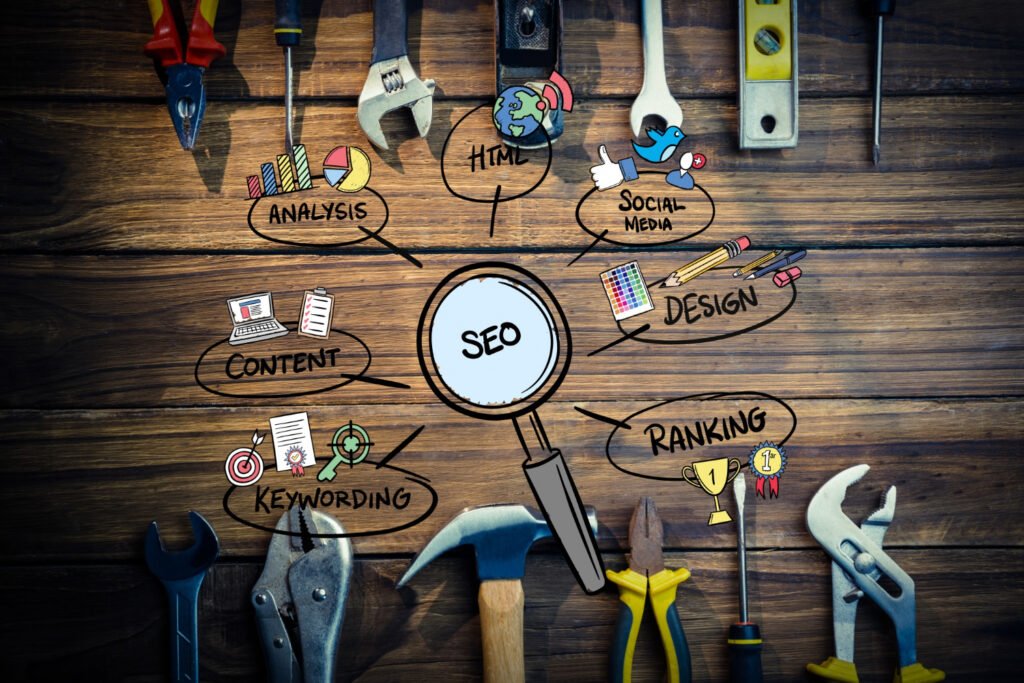
10 Critical Technical SEO Issues and Their Solutions In the fast-changing digital world of 2025, having a beautiful website isn’t enough — technical SEO plays a vital role in your online success. Without a strong technical base, even the best content can struggle to rank. Let’s dive into the 10 critical technical SEO issues you must watch out for — and how to solve them before they impact your traffic. 1. Slow Website Speed Problem: Users and search engines expect lightning-fast websites. A slow site damage user experience and rankings. Solution: – To identify bottlenecks use tools like PageSpeed Insights, or GTmetrix.. – Optimize images (next-gen formats like WebP). – Minify CSS, JavaScript, and HTML. – Implement lazy loading for images and videos. – Consider using a CDN (Content Delivery Network) and reliable Hosting Provider. 2. Mobile-First Indexing Issues Problem: Google primarily uses the mobile version of content for indexing and ranking. If your mobile experience is poor, your rankings suffer. Solution: – Ensure mobile and desktop content are equivalent.– Use responsive design.– Test with Google’s Mobile-Friendly Test tool.– Improve mobile page loading speed. 3. Duplicate Content Problem: Duplicate pages confuse search engines, diluting ranking signals. Solution: – Use canonical tags (`<link rel=”canonical” href=”…”>`) properly.– Avoid publishing the same content across different URLs.– Set up 301 redirects where necessary.– Use a tools like Sitebulb and Screaming Frog for regular audit. 4. Poor Crawlability Problem: Your pages won’t get indexed, If search engines can’t easily crawl your site. Solution: – Create a clear, updated XML sitemap and submit it to Google Search Console.– Fix broken internal links.– Make sure important pages are linked from other high-priority pages.– Review and optimize the robots.txt file. 5. Indexing Problems Problem: If pages aren’t getting indexed, they won’t show up in search results. Solution: – Use Google Search Console to identify pages excluded from indexing.– Ensure you don’t mistakenly use “noindex” tags.– Resolve soft 404 errors.– Submit manual indexing requests when necessary. 6. Structured Data Errors Problem: Incorrect or missing structured data prevents you from getting rich results (stars, FAQ dropdowns, etc.). Solution: – Add relevant schema markup (like FAQ, Product, Article, Review).– Validate your structured data using Google’s Rich Results Test.– Keep schema code updated as guidelines evolve. 7. Broken Links (Internal & External) Problem: Broken links harm user experience and weaken SEO authority. Solution: – Regularly crawl your site to identify broken links.– Set up 301 redirects for moved or deleted pages.– Replace or remove broken external links. 8. Thin Content Pages Problem: Pages with very little content often don’t rank well and can hurt overall site authority. Solution: – Merge similar thin pages into a comprehensive resource.– Add value with detailed, original information.– Ensure each page answers a user’s specific query. 9. HTTPS and Security Issues Problem: Google gives preference to secure websites (HTTPS). A non-secure website could lose rankings and trust. Solution: – Ensure your SSL certificate is active and properly installed.– Update internal links to HTTPS.– Fix mixed content issues (HTTP resources on HTTPS pages). 10. Poor Core Web Vitals Scores Problem: Core Web Vitals (LCP, FID, CLS) are critical ranking factors. Poor scores mean bad UX and lower rankings. Solution: – Optimize for Largest Contentful Paint (LCP) by improving server response time and resource loading. – Improve First Input Delay (FID) by reducing JavaScript execution time. – Minimize Cumulative Layout Shift (CLS) by setting size attributes for images and videos. – Use Google Search Console’s Core Web Vitals report to monitor and fix issues. Final Thoughts In 2025, technical SEO is no longer optional — it’s the backbone of digital success. Regular audits, proactive fixes, and staying updated with Google’s latest changes are the keys to staying ahead. If you address these 10 technical SEO issues now, you’ll set your website up for stronger rankings, better user experience, and sustainable growth in the years ahead!
SEO vs PPC: Differences, Pros, Cons, & Which to Choose

SEO vs PPC: Differences, Pros, Cons, & Which to Choose When you think of how to be found online, SEO and PPC usually come to mind. Both are effective, but they also have different goals and perform more effectively in different circumstances. If you are deciding whether SEO is sufficient, if you should invest into PPC or whether if you should do both, this guide will educate you about the differences, pros and cons and will help you decide the best option for your business – in clear and plain English. What is SEO? SEO stands for Search Engine Optimization. It is the process of optimizing your website so that it appears in organic (free) scoring results on a search engine like Google. So if you typed in the words “best bakeries in Melbourne” and your bakery appeared on the list of results without you paying to run an ad, that’s SEO. SEO involves: – Creating helpful, relevant content – Using keywords that people are searching for – Improving site speed and mobile-friendliness – Getting backlinks (links from other websites) – Making your site easy to navigate Think of SEO as earning your place on Google rather than paying for it. What Is PPC? PPC meaning Pay-Per-Click, is an advertising channel paid for whenever someone clicks on an ad. PPC ads are often displayed at the top or bottom of search engine results and are labeled “Sponsored”. Google Ads is the typical PPC platform, with options for PPC on Bing, Facebook, Instagram, and LinkedIn. With PPC, you create your ads and choose keywords. When someone searches those keywords, your ad appears. If they click, you pay. It’s pretty easy! SEO vs PPC: Key Differences Here’s a side-by-side comparison of SEO and PPC to make things even clearer: Feature SEO PPC Traffic Source Organic search Paid ads Cost Free clicks, but time-consuming Pay for each click Speed Slow to build, long-term results Fast and instant traffic Trust Level Higher (people trust organic results) Lower (some users skip ads) Placement Below ads in search results Top of the page Time to ROI Medium to long-term Short-term (immediate) Click-Through Rate Generally higher for organic listings Lower, depending on ad quality Maintenance Requires ongoing optimization Needs constant monitoring and budgeting Pros and Cons of SEO SEO Pros: 1. Free Traffic: You don’t pay for every click. Once you’re ranking, traffic can flow in without ongoing ad spend. 2. Long-Term Results: A well-optimized page can rank for years, driving continuous traffic. 3. More Trust & Credibility Users tend to trust organic results more than paid ads. 4. Increased Brand Authority Ranking high for multiple keywords builds your brand’s reputation. SEO Cons: 1. Takes Time SEO doesn’t work overnight. It can take weeks or months to rank. 2. Constant Updates Google’s algorithm changes often. You need to keep optimizing your site. 3. Competitive Popular keywords are very competitive, especially in industries like finance, legal, or real estate. 4. Requires Skill or Experts SEO isn’t just about keywords anymore — it’s technical, creative, and strategic. Pros and Cons of PPC PPC Pros: 1. Immediate Results Launch a campaign today, and get clicks and leads the same day. 2. Highly Targeted Choose who sees your ad by age, location, device, time of day, and more. 3. Clear ROI Tracking With tools like Google Ads, you can easily see how much you’re spending and earning. 4. Perfect for Promotions PPC is ideal for limited-time offers, product launches, or events. PPC Cons: 1. Can Be Expensive Competitive industries can have high cost-per-click (CPC), making it costly to run ads. 2. Temporary Traffic When you stop paying, your traffic stops. There’s no long-term value unless you’re converting leads well. 3. Learning Curve A poorly set up PPC campaign can burn through your budget quickly without results. 4. Ad Blindness Some users skip over ads and go straight to organic results. Which One Should You Choose? The answer depends on your business goals, budget, and timeline. Choose SEO if: – You want to build long-term brand awareness,– You’re on a tighter budget,– You have time to invest in content and strategy,– You want sustainable traffic that grows over time, Choose PPC if: – You need results fast (e.g. leads, sales, or event registrations) – You’re launching a product or special promotion,– You want full control over who sees your offer,– You can afford to spend and experiment, Best Strategy: Combine Both Many successful businesses use SEO and PPC together. Here’s how: – Use PPC for quick wins, special campaigns, and high-intent keywords.– Invest in SEO for long-term, consistent growth and authority. This approach gives you immediate traffic while also building a strong foundation for the future. Real-World Example Consider that you own an online tutoring business. – With PPC, you can run ads to target moms searching for the term “math tutor near me” and, today, you have leads. – With SEO, you’ll be able to write helpful blogs like “5 Top Tips for Helping Your Child with Maths at Home” and, over time, that blog can produce traffic and establish your authority. For long-term brand and reputation SEO makes sense, while PPC can deliver immediate leads. The two can be very powerful together. Final Thoughts Both SEO and PPC are valuable tools — they just work differently. – SEO is a long game. It requires patience but pays off over time. – PPC is a sprint. You get quick results, but you need a budget to keep it going. If you’re just starting out or need quick visibility, PPC is a great launchpad. But don’t ignore SEO — it’s what builds lasting online success. Take time to evaluate your goals, resources, and timeline. If possible, combine both strategies for the best of both worlds.